Menelusuri Jejak Sejarah di Museum Sumpah Pemuda Jakarta: Menapaki Spirit Perjuangan di Hari Sumpah Pemuda

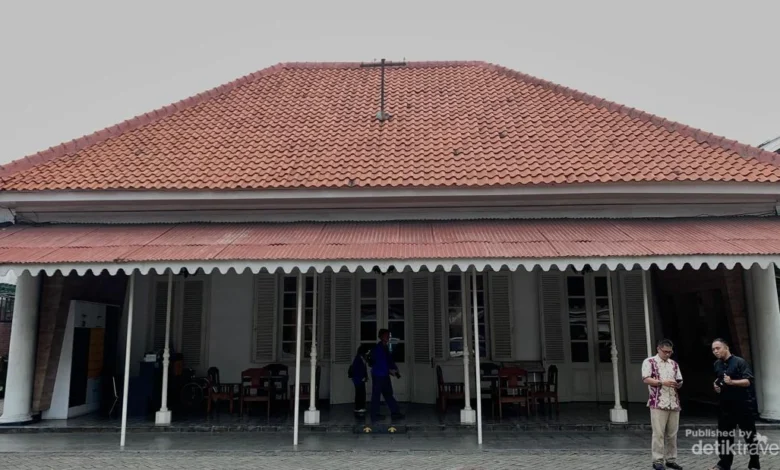
The commemoration of Youth Pledge Day, or Hari Sumpah Pemuda, serves as a poignant reminder of the transformative power of unity and collective action in the history of the Indonesian nation. As the country marks this historic milestone, Museum Sumpah Pemuda, located at Jalan Kramat Raya No. 106 in Central Jakarta, stands as a silent witness to the intellectual and political fermentation that occurred nearly a century ago. Far from being a mere repository of artifacts, this museum offers visitors an immersive journey into the 1928 Second Youth Congress, providing a profound perspective on how a generation of young visionaries laid the foundation for the nation’s independence.
The Historical Genesis of the Youth Pledge
The significance of the location at Kramat Raya 106 cannot be overstated. Originally a boarding house owned by Sie Kong Lian, the building served as a strategic hub for various youth organizations, including Jong Java, Jong Sumatranen Bond, and Jong Celebes. It was here that the Second Youth Congress was convened on October 27–28, 1928. The congress was the culmination of efforts to bridge regional and ethnic divisions, shifting the focus of the nationalist movement from localized concerns to a unified Indonesian identity.
The resolution reached during this congress—famously known as the Sumpah Pemuda—declared one motherland, one nation, and one language: Indonesia. This linguistic and national unity served as a critical psychological catalyst, challenging the colonial narrative of a fractured archipelago and setting the stage for the proclamation of independence seventeen years later.
An Immersive Walkthrough of the Museum
Visiting the museum today offers a curated experience designed to reflect the narrative arc of the 1928 movement. The architecture, preserved in its original colonial-era state, transports visitors back to the atmosphere of the early 20th century. According to the museum’s management, the spatial layout is intentionally designed to guide visitors through distinct thematic chapters of history.
The tour begins at the introductory room, which highlights the history of the building itself and the contributions of Sie Kong Lian, the owner who provided the space for young activists. From there, visitors traverse through various rooms—each originally a bedroom for the students who lived there—that have been transformed into exhibition halls. Notable areas include the Organization Room, the Congress Invitation Room, and the iconic Congress Room, which features a diorama recreating the meeting of approximately 200 youth delegates.
Fathul Futuh Tamam, the Coordinator of the Museum Sumpah Pemuda, explains that the layout honors the building’s domestic origins. "Most of these spaces were once individual boarding rooms. Only the first hall and the Congress Room were specifically designated for public gatherings during that period. Preserving this spatial configuration is essential for visitors to grasp the intimacy and urgency of the meetings that took place here," Tamam stated.
Digital Innovation and Interactive Engagement
In recent years, the museum has embraced modern technology to bridge the gap between historical data and contemporary audiences. One of the most significant upgrades is the Indonesia Raya Room, which offers an interactive experience. Visitors can listen to various historical recordings of the national anthem, from the Japanese occupation era to contemporary arrangements. Furthermore, the installation of a digital conductor station allows visitors to take the role of a maestro, activating the anthem with a simple gesture, thereby creating an emotional bridge between the visitor and the historical significance of the song composed by W.R. Supratman.
In September 2025, the museum unveiled a new Timeline of the Youth Pledge exhibition. This space replaces the former "contemplation area" and utilizes a chronological narrative design to provide a clearer, more academic understanding of the events leading up to the 1928 declaration. This shift from an abstract, meditative concept to a structured, data-driven timeline reflects the institution’s commitment to historical accuracy and educational accessibility.
Preserved Artifacts and Intellectual Legacy
The second floor of the museum houses a collection that serves as a time capsule of the early 20th-century intellectual climate. Beyond the photographs and gramophones, the collection includes original copies of literary works that shaped the era, most notably the first 1911 edition of Habis Gelap Terbitlah Terang (Out of Dark Comes Light), a collection of letters by Raden Ajeng Kartini.
These artifacts are not merely decorative; they provide context for the intellectual discourse of the time. The presence of typewriters and early communication tools underscores the logistical challenges faced by the youth activists in disseminating their ideas across a geographically fragmented nation under colonial surveillance. By studying these objects, visitors gain insight into the tenacity required to maintain a cohesive movement in an era before digital communication.
Analysis: The Impact of Historical Preservation
The museum’s role in contemporary society goes beyond preserving objects; it serves as an educational instrument that addresses the challenges of national identity in the modern era. Experts argue that institutions like the Museum Sumpah Pemuda are essential in combating historical amnesia among the younger generation. By grounding abstract nationalistic values in physical history, the museum provides a tangible sense of belonging.
The shift toward interactive exhibitions, as noted by the curators, is a strategic response to changing demographics. Data suggests that museums employing participatory technology see a 30% increase in visitor retention among students and young adults. This move is not just about aesthetics but about ensuring that the spirit of 1928 remains relevant to the challenges of the 21st century, such as digital-age tribalism and the need for renewed civic engagement.
Operational Information and Accessibility
For those planning to visit, the museum is located at Jalan Kramat Raya No. 106, Kwitang, Senen, Central Jakarta. It is strategically positioned near major public transportation hubs, making it accessible via Transjakarta buses.
Visitor Details:
- Operating Hours: Tuesday through Sunday, 08:00 to 16:00 WIB. (Closed on Mondays and national holidays).
- Admission Fees:
- Children (ages 3–12): IDR 3,000
- Domestic Adults: IDR 5,000
- International Tourists: IDR 25,000
The museum’s policy of keeping ticket prices low is a deliberate choice to encourage wide-ranging public access, particularly for students. By maintaining these standards, the museum continues to fulfill its mission of being a space where history is not just read about, but experienced.
A Legacy for the Future
The Sumpah Pemuda was never intended to be a static historical event. It was a dynamic commitment to a future that, at the time, seemed distant and nearly impossible. As visitors walk through the halls of the Kramat Raya 106 building, the resonance of that commitment remains palpable. The evolution of the museum—from a simple boarding house to a sophisticated, technology-enabled space—mirrors the nation’s own journey.
In a rapidly changing world, the Museum Sumpah Pemuda stands as a reminder that the foundational values of the Indonesian state were built on the audacity of the youth to dream of a united nation. As the country moves further into the 21st century, the ability to reflect on these historical milestones remains a vital component of national identity, ensuring that the spirit of 1928 continues to inform the aspirations of future generations. Whether through the interactive conductors’ podium or the quiet reflection in the Congress Room, the museum succeeds in keeping the voices of the 1928 youth alive, reminding every visitor that the unity of Indonesia is a continuous, living project.