Passenger Arrested After Smoking Inside Citilink Lavatory Mid-Flight, Sparking Safety and Aviation Regulations Debate

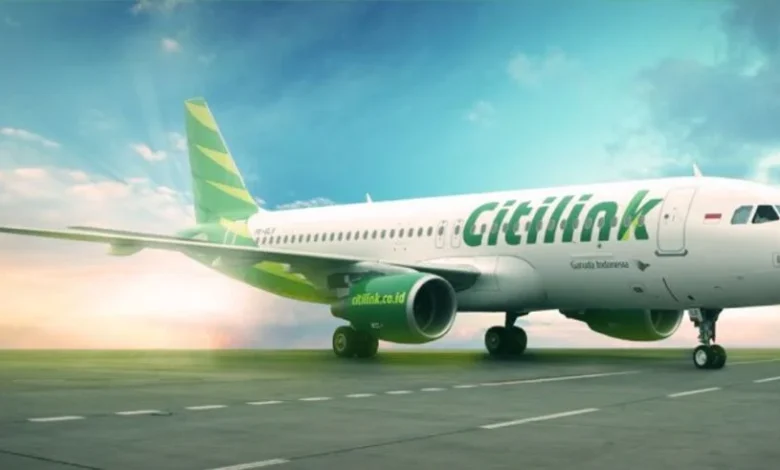
The modern aviation industry operates on a strict foundation of safety protocols, standardized procedures, and mutual respect among passengers and crew members. While air travel remains statistically the safest mode of long-distance transportation, the actions of a single individual can occasionally jeopardize the well-being of hundreds of people onboard. This delicate balance of in-flight security was recently tested when a passenger disregarded established international and domestic aviation laws by smoking inside the lavatory of a commercial aircraft. The incident, which quickly circulated across social media platforms, not only resulted in immediate law enforcement intervention upon landing but also reignited crucial discussions regarding passenger compliance, aviation safety, and the severe legal penalties associated with defying smoking bans at high altitudes.
Overview of the Incident on Citilink Flight QG 949
The incident took place onboard Citilink flight QG 949, operating a scheduled domestic route from Batam, Riau Islands, to Surabaya, East Java. While commercial flights typically proceed with routine service, this specific journey took an unexpected turn when cabin crew members detected the distinct and prohibited odor of cigarette smoke emanating from the aircraft’s aft lavatory.
Smoking inside the enclosed environment of a commercial airliner is strictly prohibited across all global carriers due to the catastrophic risks associated with open flames and combustible materials in a pressurized cabin. Upon identifying the breach, the flight crew initiated standard security protocols to address the violation discreetly and effectively, ensuring that the situation did not escalate further or cause widespread panic among the traveling public.
The violation gained widespread public attention after a video capturing the aftermath of the event was uploaded to the social media platform X (formerly Twitter) by user @Pai_C1. The short video clip quickly captured the curiosity and outrage of netizens, showing a male passenger wearing a black shirt being escorted down the aircraft aisle by security personnel. Fellow passengers could be heard expressing disbelief and astonishment that someone would attempt to smoke during an active commercial flight. One overheard passenger remarked in Javanese, expressing utter bewilderment that a traveler would brazenly break such a fundamental safety rule while airborne.

Chronology of Events
To understand how the situation unfolded, aviation analysts and security personnel look at the step-by-step sequence of events that transpired on Saturday, November 18, 2023:
- Pre-Flight Boarding and Departure: Flight QG 949 departed from Hang Nadim Airport in Batam on schedule, carrying numerous passengers headed toward Juanda International Airport in Surabaya. Routine pre-flight safety briefings, which explicitly outline the prohibition of smoking and tampering with lavatory smoke detectors, were delivered to all passengers.
- Mid-Flight Violation: At some point during the journey, the passenger entered the aircraft lavatory and proceeded to smoke, ignoring clear warning signs and federal regulations. Smoke detectors inside modern aircraft lavatories are highly sensitive and designed to alert the flight deck immediately upon the detection of particulate matter.
- Crew Intervention: Upon receiving an alert or detecting the smoke odor, the flight attendants acted swiftly to identify the source. Crew members confronted the situation in accordance with airline safety manuals, securing the area and logging the details of the infraction.
- Aircraft Descent and Landing: The flight continued safely toward its destination while the crew prepared the cabin for landing at Juanda International Airport in Sidoarjo, East Java. Preparations were simultaneously made to involve ground security forces upon arrival.
- Law Enforcement Handover: Upon touchdown and after the aircraft taxied to the gate, Aviation Security (Avsec) personnel boarded the aircraft. The offending passenger was formally handed over to the ground authorities. During initial questioning, the passenger openly admitted to smoking inside the lavatory during the flight.
Official Response from Citilink Management
Following the widespread circulation of the video and subsequent media inquiries, management from Citilink Indonesia issued an official statement confirming the veracity of the incident. The airline maintained a zero-tolerance stance regarding actions that compromise flight safety and passenger comfort.
Citilink representatives emphasized that the safety and security of every flight are absolute priorities that cannot be compromised under any circumstances. By swiftly coordinating with ground security at Juanda International Airport, the airline demonstrated adherence to standard operating procedures designed to handle unruly or non-compliant passengers. The carrier reiterated that all tickets sold are subject to terms and conditions that explicitly require adherence to safety regulations, including the absolute ban on smoking—whether traditional tobacco products or electronic cigarettes—anywhere onboard the aircraft from boarding to deplaning.
The Dangers of Smoking at 35,000 Feet
While many casual observers view smoking on a plane primarily as an annoyance or an infraction of etiquette, aviation safety experts categorize it as a severe hazard. The dangers extend far beyond unpleasant odors or second-hand smoke exposure.
Commercial airliners operate in a pressurized environment thousands of feet in the air, surrounded by vast expanses where immediate emergency landings are not always feasible. The introduction of an open flame, glowing ember, or improperly disposed cigarette butt inside a confined aircraft lavatory poses a catastrophic fire risk. Aircraft cabins contain vast amounts of synthetic materials, insulation, and plastic components that can ignite rapidly or release toxic fumes if exposed to fire.

Furthermore, historical aviation disasters have demonstrated that fires originating in lavatories—often caused by passengers attempting to conceal smoking habits—can spread rapidly through concealed wiring and panels before detection. In response, modern commercial aircraft are equipped with sophisticated smoke detection systems and mandatory waste bin fire-extinguisher systems specifically engineered to suppress fires in these high-risk areas. Tampering with or disabling these safety devices is classified as a federal offense in many jurisdictions.
Legal Implications and Regulatory Frameworks
The legal consequences for smoking on an aircraft are severe, designed to deter behavior that endangers public safety. Under Indonesian aviation law, specifically the Aviation Law No. 1/2009, individuals who commit acts that endanger flight safety, security, and order can face substantial criminal penalties.
Violators found guilty of smoking onboard a commercial flight can face heavy fines reaching up to hundreds of millions of rupiah, alongside potential imprisonment terms. In this specific case, the severity of the offense—combined with the deliberate evasion of safety rules inside a restricted aircraft zone—highlights the rigorous enforcement framework upheld by transportation authorities and airline operators. Beyond legal penalties, disruptive or non-compliant passengers frequently find themselves placed on internal airline blacklist databases, restricting their ability to purchase tickets or travel with domestic and international carriers in the future.
Public Reaction and Social Media Discourse
The viral nature of the incident on platform X generated thousands of reactions, sparking broader discussions about personal accountability and public etiquette. Netizens universally condemned the actions of the passenger, with many expressing shock that individuals in the modern era remain ignorant of—or indifferent to—rules that have been firmly established for decades.
Commentators on social media frequently questioned the psychological inability of certain individuals to refrain from smoking for the duration of a domestic flight, which typically lasts only a matter of hours. The discourse also raised questions regarding passenger screening procedures, noting that while security checkpoints are designed to detect weapons and explosives, individuals occasionally manage to bypass detection with personal items like lighters or cigarettes, relying instead on the honor system and strict legal deterrence to prevent their use.

Broader Implications for Aviation Security
The Citilink incident serves as a case study in the ongoing challenges faced by cabin crews worldwide. Flight attendants are not only hospitality service providers but are fundamentally trained safety professionals responsible for managing emergency evacuations, cabin security, and unruly behavior. When passengers force crew members to divert their attention toward preventable safety infractions like smoking, it detracts from their primary operational duties.
As air travel volume continues to recover and grow globally, airlines and regulatory bodies are placing renewed emphasis on passenger education and strict enforcement. Campaigns reminding travelers of the zero-tolerance policy toward smoking, vaping, and tampering with safety equipment are increasingly visible across digital booking platforms, airport terminals, and onboard announcements.
Ultimately, the quick resolution of the Citilink QG 949 incident underscores the effectiveness of coordinated communication between in-flight personnel and ground security forces. By ensuring that violators face swift administrative, legal, and social consequences, the aviation industry reinforces the message that safety in the skies is a collective responsibility shared by everyone onboard.