Prediksi Skor Timnas Indonesia vs Singapura di FIFA ASEAN Cup 2026: Skuad Garuda Raih 3 Poin?

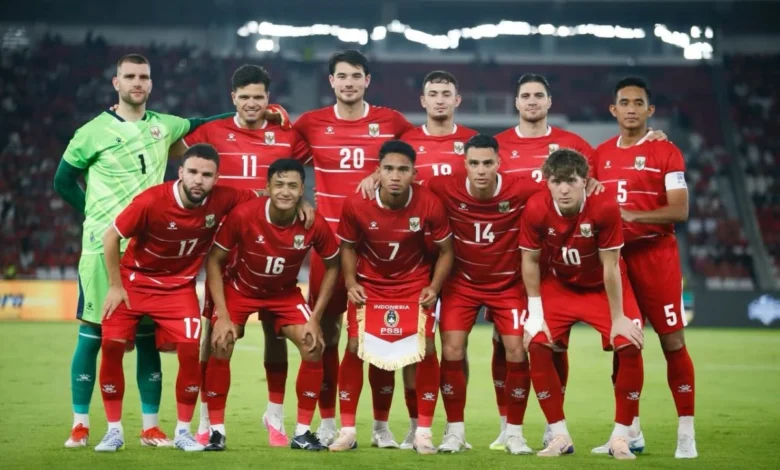
The footballing landscape in Southeast Asia enters a new era this Friday, September 25, 2026, as the inaugural FIFA ASEAN Cup kicks off at the Gelora Bung Karno (GBK) Stadium in Jakarta. The host nation, Indonesia, faces a familiar regional rival, Singapore, in a highly anticipated Group A opener that promises to set the tone for both teams’ campaigns in this newly established tournament. With the weight of home expectations and the ambition to secure a strong start, the Garuda squad, under the tactical guidance of head coach John Herdman, looks to translate their recent progress into a definitive result against the Lions.
The Evolution of Regional Football: The FIFA ASEAN Cup 2026
The FIFA ASEAN Cup 2026 marks a significant structural shift in the region’s football calendar. Historically, regional supremacy was contested under the AFF Championship banner. However, the integration of this tournament into the formal FIFA international calendar represents a major upgrade in terms of prestige, prize money, and ranking points. For Indonesia, a nation with a burgeoning football culture and a massive fanbase, this tournament is viewed as the litmus test for the team’s long-term project of climbing the global football hierarchy.
The inclusion of this tournament into the FIFA international window ensures that all participating nations can field their strongest possible lineups, including those playing in overseas leagues. This parity has increased the competitive tension across the group stages, making the opening match between Indonesia and Singapore not just a local derby, but a strategic encounter with significant implications for the group standings.
Tactical Preparation and The Herdman Philosophy
John Herdman, who took the helm of the Indonesian national team with a mandate to professionalize the squad’s tactical discipline, has adopted a methodical approach to the tournament. In recent press conferences held at the team’s training base in Jakarta, the former Canada boss emphasized the importance of mental fortitude.
"We are focusing entirely on the immediate challenge," Herdman stated earlier this week. "While the tournament format demands a broader view of the group dynamics, our preparation is centered on the first 90 minutes. We have analyzed the opposition, but more importantly, we have worked on our own transition phases to ensure we are clinical in the final third."
The atmosphere within the Indonesian camp is reported to be one of controlled intensity. Unlike previous cycles where injury concerns often plagued the squad ahead of major tournaments, the current roster enters the FIFA ASEAN Cup in peak physical condition. Herdman’s emphasis on sports science and personalized recovery protocols has paid dividends, with the medical staff confirming a clean bill of health for the entire 23-man squad. The players have shown a notable degree of tactical flexibility in recent closed-door training sessions, suggesting that Indonesia may move away from their traditional defensive setups in favor of a more aggressive, high-pressing game designed to capitalize on the energy of the home crowd at GBK.
Historical Context and Statistical Analysis
When analyzing the head-to-head record, Indonesia enters the contest as the statistical favorite. The current FIFA World Rankings reflect the divergent trajectories of the two nations. Indonesia sits at 118th in the world with 1,157.05 points, showcasing a steady climb over the last 24 months, whereas Singapore currently occupies the 146th position with 1,064.30 points.
The history of this rivalry is deep and often dramatic. Across their last 33 encounters, Indonesia has secured 15 victories, compared to 11 for Singapore, with 7 draws. While the historical margin is relatively thin, the recent trend favors the Garuda. In their last six competitive meetings, Indonesia has emerged victorious on three occasions, while Singapore has managed only one win. The remaining two fixtures ended in stalemates, highlighting that while Indonesia may be the superior side on paper, the Lions possess the defensive structure and tactical patience to frustrate more dominant opponents.

Singapore, coached by their seasoned technical staff, is expected to deploy a low-block defensive strategy. Their reliance on a disciplined back-four and a robust defensive midfielder is intended to nullify Indonesia’s pace on the wings. For Singapore, holding Indonesia to a draw would be considered a tactical victory, given the daunting environment of a packed Gelora Bung Karno Stadium.
The Strategic Significance of the Opening Match
The importance of securing three points in the opening match cannot be overstated. In a tournament format where consistency is rewarded, a win on matchday one provides a psychological cushion for the remainder of the group stage, which includes matches against other regional powerhouses.
For the Indonesian squad, the pressure is not just from the opponent, but from the expectations of millions of supporters. The match will be played in front of a capacity crowd, and the ability to channel that atmosphere without succumbing to nerves will be the primary challenge for the younger members of the squad. Analysts suggest that if Indonesia can score an early goal, it will force Singapore to abandon their conservative approach, potentially opening up space for Indonesia’s creative midfielders to dictate the tempo.
Conversely, should the match remain goalless past the hour mark, the frustration levels among the home supporters could influence the rhythm of the game. Herdman has acknowledged this, noting that patience will be a vital virtue for the Garuda throughout the 90 minutes.
Broader Implications for Indonesian Football
Beyond the individual match result, this tournament is a barometer for the structural reforms implemented within the Football Association of Indonesia (PSSI). The move to hire international-standard coaching staff and the expansion of the domestic league’s scouting network have been designed to sustain success at the regional level.
A strong performance in the FIFA ASEAN Cup would not only boost Indonesia’s FIFA ranking—potentially facilitating easier qualification paths for future continental tournaments—but would also serve as a commercial catalyst. The commercial interest surrounding the national team has hit record highs, and sustained success in this tournament could lead to increased grassroots funding and infrastructure development, which are critical for the long-term sustainability of the sport in the country.
Looking Ahead
As the countdown to the match concludes, the focus shifts to the starting eleven. While the official lineup remains under wraps, expectations are high for a balanced team that combines the experience of veteran defenders with the dynamism of the new generation of attacking talent.
The match is scheduled to kick off at 19:00 local time. As both teams take to the pitch at the Gelora Bung Karno, they do so with the knowledge that this FIFA ASEAN Cup is more than just a trophy hunt; it is a declaration of intent for the coming years of regional football. Whether the Skuad Garuda can turn their statistical superiority into a victory remains to be seen, but the stage is set for a classic encounter that will undoubtedly be remembered as the curtain-raiser for a new chapter in ASEAN football history. The eyes of the region are firmly fixed on Jakarta, waiting to see if Indonesia can seize the momentum and claim the three points that could define their tournament journey.