Toyota Avanza Retains Crown in Indonesia’s Competitive LMPV Market Amidst Shifting Consumer Preferences

The Indonesian automotive market continues to see robust demand in the Low Multi-Purpose Vehicle (LMPV) segment, a segment that serves as a cornerstone for overall sales figures. This enduring popularity is driven by a compelling combination of affordability, spacious interiors, and versatility, making these vehicles ideal for both family transportation and daily operational needs. GAIKINDO’s wholesale data for the first half of 2026 further solidifies this trend, with established players like Toyota and Mitsubishi maintaining dominant positions, while Daihatsu and Suzuki diligently work to secure their market share in this highly contested "car of a million people" category.
Dominance and Shifting Dynamics in the LMPV Landscape
The competitive landscape within the LMPV segment in 2026 has proven particularly dynamic. Certain models have witnessed a surge in dominance, partly attributable to the introduction of hybrid variants that appeal to increasingly eco-conscious consumers. Concurrently, other models continue to hold their ground, leveraging their reputation for rugged durability and low operational costs. This evolving market necessitates a closer examination of the top performers and the underlying factors driving their success.
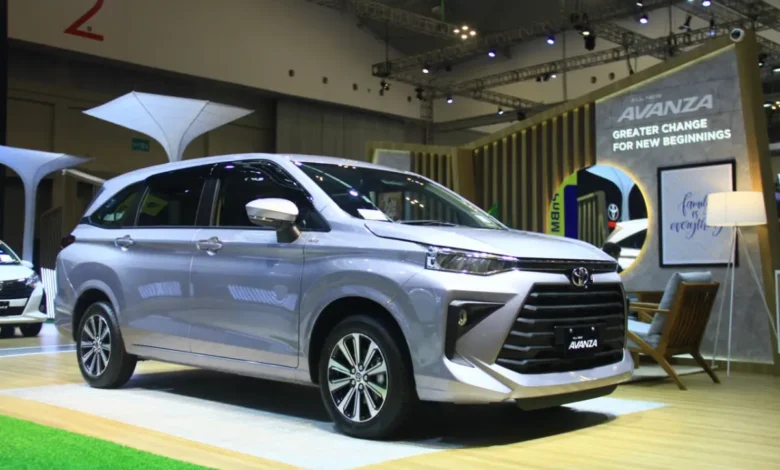
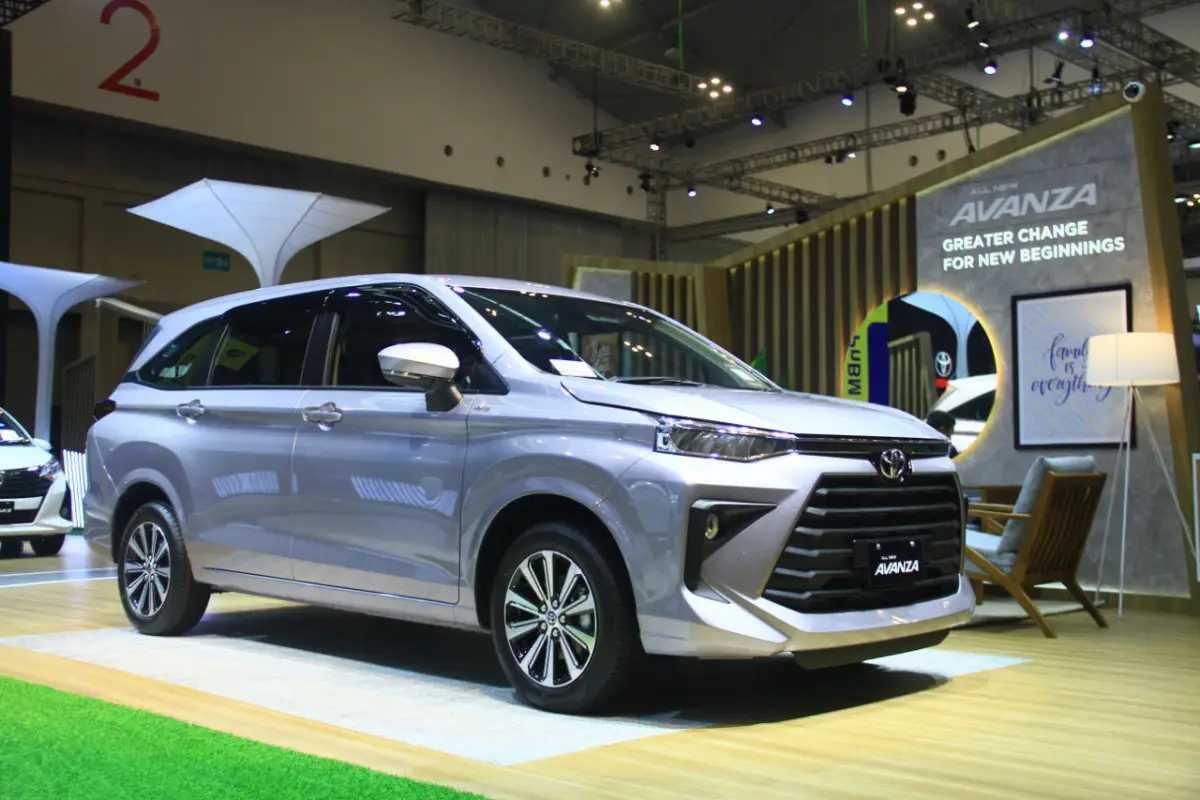
1. Toyota Avanza: Unwavering Market Leadership
The Toyota Avanza once again claims the top spot in the LMPV sales race, achieving a total distribution of 19,512 units during the first half of 2026. This remarkable performance underscores its entrenched position as a preferred choice for Indonesian consumers.
- Variant Breakdown:
- Avanza 1.5 G MT: 5,977 units
- Avanza 1.5 G CVT: 5,345 units
- Avanza 1.3 E CVT: 3,528 units
- Avanza 1.3 E MT: 3,395 units
- Avanza 1.3 AT Transmover: 1,267 units
The 1.5 G variant emerged as the primary contributor to the Avanza’s impressive sales figures. This particular trim is widely recognized for striking an optimal balance between advanced features, capable performance, and an accessible price point. Beyond its initial purchase price, the Avanza’s enduring appeal is further bolstered by its strong resale value in the used car market, an extensive and easily accessible service network across the archipelago, and the widespread availability of its spare parts. These factors collectively reinforce its status as a go-to option for Indonesian families seeking a reliable and practical vehicle.
2. Toyota Veloz: The Hybrid Advantage
Following closely is the Toyota Veloz, with a total distribution of 11,210 units. A noteworthy observation in the Veloz’s sales performance is the significant reliance on its hybrid variants, which now constitute the vast majority of its sales.
- Variant Breakdown:
- Veloz 1.5 V HEV AT: 6,164 units
- Veloz 1.5 Q HEV AT: 2,371 units
- Veloz 1.5 Q HEV Modellista AT: 1,633 units
- Veloz 1.5 Q HEV TSS Modellista AT: 979 units
- Veloz 1.5 MT Non-Hybrid: 63 units
This trend indicates a clear consumer shift towards prioritizing fuel efficiency without compromising on comfort and convenience. The Veloz, with its more premium design compared to the Avanza, coupled with a comprehensive suite of advanced safety and comfort features, appeals particularly to younger families looking for a stylish and well-equipped vehicle. The success of the hybrid technology in the Veloz segment signals a broader acceptance and demand for electrified powertrains in the Indonesian market, even within the traditionally value-driven LMPV category.
3. Mitsubishi Xpander: A Persistent Contender
Despite not holding the top position, the Mitsubishi Xpander remains a formidable competitor in the LMPV segment, registering a total distribution of 7,492 units.
- Variant Breakdown:
- Ultimate CVT: 3,782 units
- Exceed CVT: 1,941 units
- Exceed MT: 788 units
- GLS MT: 446 units
- GLS CVT: 277 units
- Ultimate MT: 258 units
The Ultimate CVT variant has proven to be the most popular choice, offering a compelling package of comprehensive features and a suspension system lauded for its comfort and smoothness. Many owners attest to the Xpander’s exceptional comfort during long journeys, attributed to its quiet cabin and ergonomic seating positions. The Xpander’s consistent performance highlights its strong brand loyalty and its ability to compete effectively with the segment’s established leaders.
4. Daihatsu Xenia: Value and Efficiency
As a close sibling to the Toyota Avanza, the Daihatsu Xenia continues to attract buyers with its more competitive pricing strategy, achieving a total distribution of 2,678 units.
- Variant Breakdown:
- 1.3 X MT: 762 units
- 1.3 R MT: 709 units
- 1.3 R CVT: 541 units
- 1.3 X CVT: 467 units
- 1.5 R CVT: 196 units
- 1.5 R MT: 2 units
- 1.5 R ASA CVT: 1 unit
The 1.3-liter engine variants are particularly favored due to their excellent fuel efficiency and lower ownership costs. The Xenia positions itself as an ideal choice for budget-conscious buyers who prioritize functionality and practicality over premium features, maintaining its relevance in the segment.
5. Daihatsu Luxio: Practicality for Business and Family
The Daihatsu Luxio, despite its longer tenure in the market, continues to carve out a niche for itself, with a total distribution of 2,051 units.
- Variant Breakdown:
- 1.5 X MT: 989 units
- 1.5 D: 611 units
- 1.5 X AT: 410 units
- 1.5 AK MT: 41 units
Its boxy silhouette translates into an exceptionally spacious cabin, making it a popular choice for a variety of uses, including business ventures, travel services, and large family transport. This inherent practicality ensures the Luxio’s continued presence amidst newer model introductions.
6. Suzuki APV: The Commercial Workhorse
The Suzuki APV has demonstrated a strong performance, particularly in its commercial applications, with a total distribution of 1,405 units.
- Variant Breakdown:
- APV GE Del Van: 691 units
- APV GL: 310 units
- APV GX: 270 units
- APV GE: 88 units
- APV SGX: 46 units
The Del Van variant is the primary driver of sales, widely adopted by small and medium enterprises. Its substantial cargo capacity, coupled with relatively affordable maintenance costs and a robust 1.5-liter engine, makes it a dependable option for both daily operations and commercial purposes.
7. Suzuki Ertiga: Comfort and Efficiency Focus
Suzuki Ertiga sales, while lower than its key competitors, stand at 492 units for the first half of 2026.
- Variant Breakdown:
- GL AT: 256 units
- GL MT: 230 units
- GA: 2 units
- Hybrid (GX & Cruise): 4 units
The Ertiga maintains a dedicated following due to its comfortable ride quality and renowned fuel efficiency. The minimal sales of its hybrid variants suggest that the current Ertiga customer base still leans towards traditional, non-electrified powertrains, indicating a distinct market segment preference for this model.
Market Implications and Future Outlook
The first half of 2026 sales data from GAIKINDO paints a clear picture of the Indonesian LMPV market. Toyota’s dual assault with the Avanza and Veloz continues to dominate, highlighting the enduring appeal of its established model and the growing acceptance of hybrid technology. Mitsubishi’s Xpander remains a strong contender, consistently challenging Toyota’s leadership. Daihatsu and Suzuki are successfully defending their market positions by offering vehicles with distinct characteristics, catering to a wide spectrum of needs, from family vehicles to commercial utilities.
The increasing adoption of hybrid technology, as evidenced by the Toyota Veloz’s sales performance, signals a significant shift in consumer preferences. As fuel prices and environmental consciousness continue to rise, manufacturers are likely to accelerate the development and introduction of more electrified options within the LMPV segment. This trend could reshape the competitive dynamics in the coming years, potentially favoring brands that can offer compelling hybrid or fully electric solutions at competitive price points.
Furthermore, the sustained demand for vehicles like the Daihatsu Luxio and Suzuki APV underscores the importance of utility and practicality in the Indonesian market. These models cater to specific needs that may not be fully addressed by more passenger-car-oriented designs, ensuring their continued relevance.
For consumers navigating this diverse market, resources like Moladin offer invaluable assistance. By providing comprehensive comparisons of specifications, pricing, and detailed reviews for each model, platforms such as Moladin empower potential buyers to make informed decisions that align with their individual requirements and financial capabilities. The LMPV segment, therefore, is poised for continued evolution, driven by technological advancements, shifting consumer values, and the persistent need for versatile and affordable transportation solutions in Indonesia.