10 Popular Palm Tree Species for Home Decoration and the Comprehensive Guide to Botanical Maintenance and Environmental Benefits

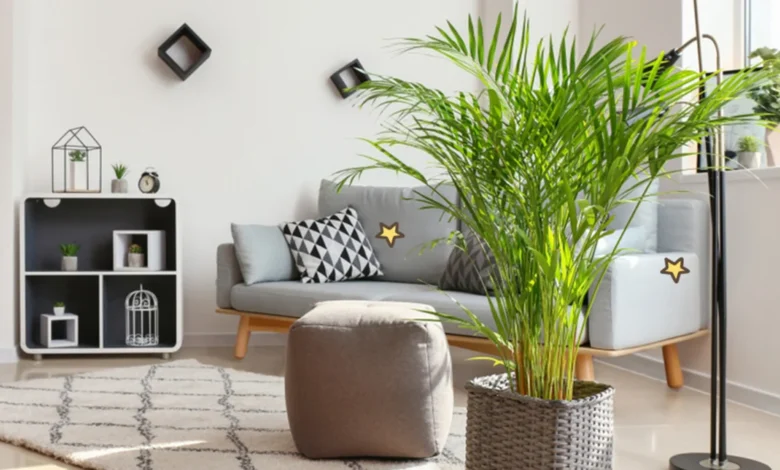
The integration of tropical flora into residential and commercial architecture has transcended mere aesthetic preference, evolving into a sophisticated practice of biophilic design aimed at improving psychological well-being and environmental quality. Among the most versatile and enduring choices for this purpose is the palm tree, a member of the Arecaceae family. Known for their distinctive silhouettes, ranging from the towering majesty of the King Palm to the delicate, feathery fronds of the Areca, palms have become a staple in modern landscaping and interior decor. Beyond their visual appeal, these plants serve as natural air purifiers and humidity regulators, making them essential components of a healthy living environment. As urban dwellers increasingly seek to create "indoor jungles" to counteract the sterility of metropolitan life, understanding the diverse species of palms and their specific horticultural requirements has never been more pertinent.
The Botanical Diversity of Ornamental Palms
The selection of a palm tree for the home depends heavily on the intended environment—whether the plant will reside in a sun-drenched garden or a shaded corner of a living room. Botanists and professional landscapers categorize these species based on their growth habits, light requirements, and resilience to varying climatic conditions.

1. The Red Palm (Cyrtostachys renda)
Often referred to as the Lipstick Palm, the Red Palm is prized for its striking bright red crownshaft and leaf sheaths. Native to Southeast Asia, this species is a slow-growing clustering palm that can reach heights of up to 16 meters in its natural habitat. In a residential context, it is frequently used as a focal point in tropical gardens. According to practitioners of Feng Shui, the vibrant red hue of the plant is believed to invite prosperity and positive energy into the household. However, cultivators should note that this species is highly sensitive to cold temperatures and requires consistent moisture and high humidity to thrive.
2. The Yellow Palm or Areca Palm (Dypsis lutescens)
The Areca Palm is perhaps the most ubiquitous indoor palm worldwide. Characterized by its golden-yellow petioles and smooth, silver-green trunks, it grows in dense clumps. In the interior design industry, the Areca is favored for its ability to soften the hard lines of modern furniture. While it can reach significant heights in the wild, it remains manageable when confined to large pots. It is also one of the most effective species for air purification, as documented in various environmental health studies.
3. The Bamboo Palm (Chamaedorea seifrizii)
Deriving its name from its reed-like stems that resemble bamboo, this palm is an ideal candidate for low-light interior spaces. The Bamboo Palm is particularly popular in office environments and apartment complexes where natural sunlight may be limited. Its ability to tolerate neglect and adapt to indoor air-conditioned environments makes it a resilient choice for novice gardeners.

4. The King Palm (Archontophoenix alexandrae)
For homeowners with expansive outdoor spaces, the King Palm offers an unparalleled sense of grandeur. These palms are characterized by their straight, grey trunks and large, graceful green fronds. Capable of reaching heights between 25 and 30 meters, they are frequently utilized in avenue planting or as majestic standalone features in large estates. They require ample space for root development and consistent watering during their formative years.
5. The Pandan Bali (Cordyline australis)
While often grouped with palms in commercial nurseries due to its appearance, the Pandan Bali (or Cabbage Tree) is technically a member of the Asparagaceae family. Nevertheless, it serves a similar aesthetic and functional purpose. Its long, sword-shaped leaves are excellent at trapping dust and filtering airborne pollutants. It is a hardy species that can withstand a variety of soil conditions and is often used in contemporary minimalist landscaping.
6. The Japanese Palm (Rhapis excelsa)
Also known as the Lady Palm, the Japanese Palm is a fan-leafed species that grows in multi-stemmed clumps. It is exceptionally slow-growing, which makes it a premium choice for indoor containers. One of its most notable characteristics is its durability; it can survive for several days without water and is highly resistant to common plant pests, making it a "low-maintenance" favorite for busy professionals.

7. The Nolina or Ponytail Palm (Beaucarnea recurvata)
Botanically speaking, the Ponytail Palm is more closely related to succulents than true palms. Its most distinctive feature is its bulbous "elephant foot" base, which serves as a water reservoir. This evolutionary adaptation allows the plant to survive prolonged periods of drought. Its cascading, curly leaves provide a whimsical aesthetic, and because it requires infrequent watering, it is an excellent choice for those who travel frequently.
8. The Triangle Palm (Dypsis decaryi)
The Triangle Palm is named for the unique three-sided arrangement of its leaf bases, creating a distinct triangular shape in the trunk. Native to Madagascar, this palm is a conversation piece in any garden. While it can be grown in the ground, many enthusiasts prefer to keep it in large decorative pots to highlight its geometric symmetry.
9. The Umbrella Palm (Licuala grandis)
Originating from the rainforests of Papua New Guinea, the Umbrella Palm (or Ruffled Fan Palm) features stunning, circular, pleated leaves. It typically grows to a height of about 2 meters, making it an ideal "understory" plant for shaded gardens or a dramatic indoor specimen. Its architectural foliage is highly sought after by interior decorators seeking to create a high-end tropical atmosphere.

10. The Paris Palm (Calamus ciliaris)
The Paris Palm is a member of the rattan family and possesses a climbing or scrambling growth habit. Historically found in the dense forests of Java and Sumatra, it is unique among ornamental palms for its medicinal properties, having been used in traditional medicine as a treatment for intestinal parasites. In a home setting, it is often used as a textured backdrop or in hanging baskets where its trailing stems can be showcased.
The Science of Biophilic Benefits: Air Quality and Mental Health
The decision to incorporate palm trees into a living space is supported by significant scientific data regarding human health and environmental quality. The 1989 NASA Clean Air Study remains one of the most cited works in this field, identifying various palm species as top performers in removing volatile organic compounds (VOCs) from the air.
Improving Indoor Humidity and Respiratory Health
Modern indoor environments, particularly those reliant on central heating or air conditioning, often suffer from low humidity levels. This dry air can lead to respiratory irritation, dry skin, and increased susceptibility to viral infections. Palms are highly efficient at transpiration—the process by which plants release water vapor through their leaves. A large Areca Palm, for instance, can release up to a liter of water into the air every 24 hours, acting as a natural, silent humidifier.

Sequestration of Toxins
Palms are particularly adept at filtering formaldehyde, benzene, and carbon monoxide. These toxins are commonly emitted by household items such as carpets, synthetic upholstery, and cleaning detergents. By absorbing these chemicals through their leaves and transporting them to the root zone, where microbes break them down, palms provide a continuous, passive filtration system for the home.
Psychological Restoration and Productivity
The presence of "greenery" has been linked to a phenomenon known as Attention Restoration Theory (ART). Research indicates that viewing natural elements like the rhythmic patterns of palm fronds can reduce cortisol levels and alleviate mental fatigue. In workplace settings, the inclusion of palms has been shown to increase productivity by up to 15%, as the plants create a more tranquil and cognitively stimulating environment.
Comprehensive Maintenance and Horticultural Care
While palms are generally regarded as resilient, their long-term health depends on mimicking their natural tropical or sub-tropical habitats. Professional horticulturists emphasize four critical pillars of palm care: light, water, substrate, and nutrition.

Lighting Requirements
Most palms thrive in bright, indirect sunlight. Direct afternoon sun can scorch the delicate fronds of species like the Bamboo Palm or Umbrella Palm, leading to unsightly brown patches. Conversely, insufficient light can cause stunted growth and a loss of the vibrant green color. For indoor palms, placement near an east- or north-facing window is usually ideal.
Irrigation and Drainage
The most common cause of palm mortality is overwatering, which leads to root rot. Most species prefer a "drench and dry" approach: watering the plant thoroughly until water exits the drainage holes, then allowing the top two inches of soil to dry out before the next session. The Ponytail Palm is an exception, requiring much less frequent irrigation due to its water-storing trunk.
Soil Composition and Fertilization
Palms require well-draining soil to prevent moisture from stagnating around the roots. A mixture of peat moss, leaf mold, and perlite is often recommended. Furthermore, palms are heavy feeders of micronutrients, particularly magnesium and potassium. Utilizing a specialized "palm food" fertilizer with an NPK ratio specifically designed for Arecaceae (often 8-2-12) during the growing season will prevent common issues like yellowing leaf tips.

Pest Management
Indoor palms can occasionally fall victim to spider mites, mealybugs, or scale insects. These pests thrive in dry indoor air. Regularly misting the leaves or wiping them with a damp cloth not only removes dust—improving the plant’s ability to photosynthesize—but also discourages pest infestations.
Safety and Cultural Significance
For households with pets, the selection of indoor plants requires careful screening for toxicity. Fortunately, most true palms (such as the Areca, Parlor, and Bamboo palms) are non-toxic to cats and dogs, according to the ASPCA. This makes them a superior alternative to the Sago Palm (Cycas revoluta), which is not a true palm and is highly toxic if ingested.
Culturally, the palm tree has remained a symbol of victory, peace, and fertility for millennia. From Ancient Egyptian iconography to modern Mediterranean landscapes, the palm represents resilience. In the context of contemporary "Green Feng Shui," palms are placed in specific sectors of the home to balance the "Qi" (energy), with the belief that their upward-growing fronds encourage the upward movement of one’s personal and professional life.

Conclusion and Future Outlook
The rise of the "Urban Forest" movement suggests that the integration of palm trees into residential life is more than a passing trend; it is a fundamental shift in how we perceive our living spaces. As climate change and urbanization continue to alter the global landscape, the role of domestic plants in mitigating heat islands and improving air quality becomes increasingly vital. By selecting the appropriate species and committing to a regimen of informed care, homeowners can transform their residences into sanctuaries of health and aesthetic beauty. The palm tree, with its ancient lineage and modern utility, stands as a testament to the enduring bond between humanity and the natural world. Whether it is a towering King Palm guarding a gate or a small Lady Palm gracing a desk, these botanical wonders continue to provide a breath of fresh air in an increasingly industrial world.