
Finance Minister Purbaya Yudhi Sadewa Signals Potential Cuts to Defense and Police Budgets Amidst Fiscal Pressures

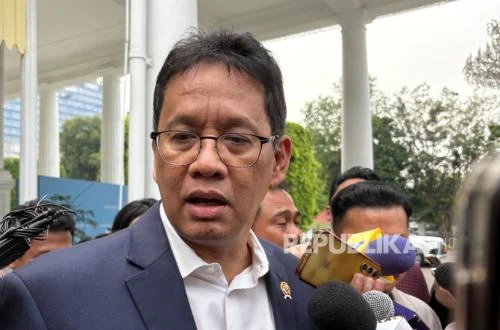
JAKARTA – Indonesia’s Minister of Finance, Purbaya Yudhi Sadewa, indicated on Monday, July 20, 2026, that the government is considering the option of reducing allocations for defense and police budgets should the nation’s fiscal conditions face significant strain or if the state budget deficit targets are jeopardized. Speaking to reporters after attending a Plenary Cabinet Meeting at the Presidential Palace in Jakarta, Minister Purbaya underscored that while such measures are currently not on the immediate horizon, the significant size of these budget posts makes them potential targets for adjustment in a challenging fiscal environment.
"Not yet," Purbaya stated when asked about ongoing discussions regarding reallocating funds from the security sectors. "But it is like this: the budget positions for defense and police are substantial. If our deficit is genuinely threatened, then we will cut them." He quickly added a reassuring note, emphasizing that the current financial health of the state remains robust, and such a drastic step is "still far from there." "But I don’t think so, it’s still far from there. So, we are still sufficient," he clarified, suggesting a proactive yet cautious approach to fiscal management.
The Context of Fiscal Prudence and Indonesia’s Budgetary Framework
Minister Purbaya’s statement comes within the broader framework of Indonesia’s commitment to fiscal discipline, a cornerstone of its economic policy, especially following the extraordinary measures taken during the COVID-19 pandemic. The country operates under Law No. 17 of 2003 on State Finance, which mandates a budget deficit ceiling of 3 percent of the Gross Domestic Product (GDP). This ceiling was temporarily relaxed during the pandemic to allow for increased spending on healthcare and economic recovery programs, as stipulated by Government Regulation in Lieu of Law (Perppu) No. 1 of 2020, later enacted as Law No. 2 of 2020. However, the government has consistently reiterated its commitment to returning to and maintaining the 3 percent ceiling by 2023 and beyond, signaling a "new normal" of fiscal prudence.
This commitment means that any unforeseen economic shocks, such as a significant downturn in global commodity prices, a substantial slowdown in economic growth, or unexpected increases in mandatory spending, could place immense pressure on the state budget. In such scenarios, the Ministry of Finance is tasked with identifying areas where expenditure can be optimized or reduced to ensure the deficit remains within the legal limit. Large budget allocations, such as those for defense and police, naturally come under scrutiny due to their potential impact on overall fiscal figures.
Defense and Police Budgets: Strategic Importance and Significant Allocations
Indonesia, as the world’s fourth most populous nation and an archipelago straddling vital global shipping lanes, places significant importance on its national security and internal order. Consequently, the budgets for the Ministry of Defense (MoD) and the National Police (Polri) typically represent substantial portions of the annual state budget. While specific figures fluctuate year-on-year, defense spending alone often hovers around 0.8% to 1.0% of GDP, with the police budget adding further significant expenditure. These allocations are crucial for:
- Defense: Modernizing the Indonesian National Armed Forces (TNI) across its army, navy, and air force branches. This includes procurement of advanced military hardware, maintenance of existing equipment, training, and welfare for personnel. Key modernization programs often involve fighter jets, naval vessels, submarines, radar systems, and land combat vehicles, aimed at enhancing Indonesia’s capability to protect its vast maritime territory, exclusive economic zones, and respond to regional security challenges, including issues in the South China Sea.
- Police: Maintaining internal security, combating crime (including cybercrime and transnational crime), managing public order, counter-terrorism operations, and providing community policing services. The police budget supports operational costs, personnel salaries, equipment upgrades, and infrastructure development across the archipelago.
Both sectors are undergoing continuous modernization efforts, driven by evolving security threats and technological advancements. Any substantial cutbacks could potentially delay these critical programs, impact operational readiness, or affect the welfare of personnel, raising concerns among security policymakers.
Economic Outlook and Potential Fiscal Headwinds for 2026
Minister Purbaya’s cautionary statement reflects a forward-looking perspective, acknowledging that future economic conditions are subject to global and domestic volatilities. As of mid-2026, while Indonesia’s economy has demonstrated resilience, it is not immune to external pressures. Potential factors that could create fiscal headwinds include:
- Global Economic Slowdown: Persistent inflation in major economies, higher interest rates, and geopolitical conflicts (e.g., in Eastern Europe or the Middle East) could dampen global demand, impacting Indonesia’s export revenues and overall economic growth.
- Commodity Price Fluctuations: Indonesia is a significant exporter of commodities like coal, palm oil, and nickel. A sustained downturn in global commodity prices could lead to a substantial drop in state revenues from taxes and non-tax income (PNBP).
- Domestic Inflation Management: While Bank Indonesia works to keep inflation in check, external shocks or supply chain disruptions could reignite inflationary pressures, potentially requiring the government to increase subsidies or social safety net spending, thus straining the budget.
- Interest Rate Environment: A prolonged period of high global interest rates could increase the cost of government borrowing, adding pressure to debt servicing costs.
- Revenue Underperformance: Should economic growth falter, or tax collection targets prove overly ambitious, the government might face a revenue shortfall, necessitating expenditure adjustments to maintain the deficit target.
The Ministry of Finance continuously monitors these indicators, formulating contingency plans to ensure macroeconomic stability and fiscal sustainability. Purbaya’s comments highlight a proactive approach to fiscal risk management, identifying potential areas for adjustment well in advance.
Timeline of Budget Planning and Review
The Indonesian state budget (APBN) follows a rigorous annual cycle. The process typically begins with the National Development Planning Agency (Bappenas) formulating the Government’s Work Plan (RKP). This is followed by the Ministry of Finance’s preparation of the Macroeconomic Framework and Principles of Fiscal Policy (KEM PPKF), which sets the macroeconomic assumptions and fiscal targets for the upcoming year. These documents form the basis for ministerial and institutional budget proposals.
By August each year, the President delivers a budget speech to the Parliament (DPR), presenting the Draft State Budget (RAPBN) for the following fiscal year. Extensive deliberations then take place between the government and various parliamentary commissions, particularly Commission XI (Finance and Banking) and Commission I (Defense, Foreign Affairs, Information), before the final APBN is approved, usually by the end of October.
Minister Purbaya’s statement in July 2026, ahead of the formal RAPBN submission for the 2027 fiscal year, can be seen as a preliminary signal to all stakeholders, including the Ministry of Defense and the National Police, about the government’s unwavering commitment to fiscal discipline and the potential need for difficult choices if the economic landscape deteriorates. It also allows relevant ministries to internally review their spending plans for efficiency.
Potential Implications of Budget Cuts
Should the government indeed proceed with cuts to defense and police budgets, the implications would be far-reaching:
- National Security: Delays in military modernization programs could affect Indonesia’s strategic capabilities, potentially impacting its ability to project power, protect its sovereignty, and respond to regional threats. This could involve postponing new equipment acquisitions, reducing training exercises, or impacting personnel welfare programs.
- Public Order and Law Enforcement: Reductions in the police budget might affect the National Police’s operational capacity, potentially impacting crime prevention, investigative capabilities, and the overall maintenance of public order across the diverse archipelago. It could also hinder efforts to combat emerging threats like cybercrime or radicalism.
- Economic Impact: While cuts to these large sectors could free up funds for other priority areas like infrastructure, education, or social safety nets, which might have higher multiplier effects on economic growth, the immediate impact on the defense industry (both domestic and international suppliers) could be negative. However, the signal of strong fiscal discipline could positively influence investor confidence and credit ratings.
- Political Ramifications: Such decisions are often politically sensitive. Security establishments might express concerns about their mandates and capabilities. Parliamentarians would likely engage in robust debate, balancing fiscal responsibility with national security imperatives and public safety concerns. Public perception would also play a role, with citizens weighing the importance of security against economic stability.
Inferred Reactions from Related Parties
While no direct reactions were provided in the original snippet, it is logical to infer the perspectives of key stakeholders:
- Ministry of Defense (MoD): Officials from the MoD would likely emphasize the non-negotiable strategic imperative of maintaining a strong and modern defense force. They would highlight ongoing threats, the long-term nature of defense planning, and the substantial investment required for national security. They might argue for careful, targeted efficiency gains rather than outright cuts that could compromise readiness.
- National Police (Polri): The National Police leadership would probably stress the critical role of adequate funding for maintaining internal security, combating crime, and ensuring public order. They would point to the expansive geographical reach and diverse responsibilities of the police force, arguing that budget cuts could impair their ability to serve and protect the populace effectively.
- Parliamentary Budget Committee (DPR Commission XI & I): Members of the DPR responsible for finance and security would likely call for thorough reviews and transparent justifications for any proposed cuts. They would seek to balance fiscal responsibility with the nation’s security needs, potentially advocating for a focus on spending efficiency and prioritization within existing budgets rather than blanket reductions. They would also serve as a check on executive power, ensuring that any significant budget reallocations align with national interests.
- Economic Analysts and Think Tanks: These groups would likely commend the Ministry of Finance’s proactive stance on fiscal discipline, viewing it as a positive signal for macroeconomic stability. However, they would also caution against cuts that could undermine critical public services or long-term strategic interests, advocating for a nuanced approach that considers both short-term fiscal realities and long-term national development goals. They might also suggest that increasing non-tax revenues and improving the efficiency of existing spending could be alternatives to outright cuts.
Conclusion: A Balancing Act for Indonesia’s Future
Minister Purbaya Yudhi Sadewa’s statement serves as a timely reminder of the complex balancing act inherent in managing a national budget. While current conditions are deemed stable, the government remains vigilant against potential fiscal pressures. The option to recalibrate spending, even in critical sectors like defense and police, underscores Indonesia’s commitment to maintaining fiscal health and adhering to its budgetary discipline framework. The coming months will likely see continued close monitoring of economic indicators and internal discussions as the government prepares its budget proposals for the upcoming fiscal year, navigating the delicate interplay between national security, public welfare, and economic stability.