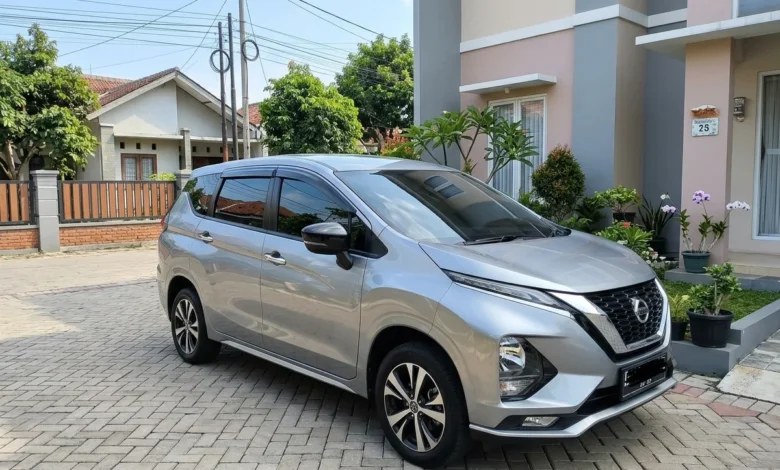
The automotive landscape in the Low Multi-Purpose Vehicle (LMPV) segment has long been dominated by high-volume players, yet the Nissan Livina remains a compelling alternative for value-conscious buyers in the secondary market. The 2020 Nissan Livina VE, representing the first full year of the model’s second generation, serves as a focal point for families seeking a blend of Japanese engineering reliability, Mitsubishi-derived architecture, and a refined aesthetic. As the market for pre-owned family haulers continues to shift toward vehicles that balance utility with fuel economy, understanding the technical specifications and operational realities of this specific model is essential for prospective buyers.
Architectural Evolution and Market Positioning
The shift in the Nissan Livina’s identity occurred in early 2019, marking a significant strategic pivot for Nissan in the Southeast Asian market. Following the formation of the Renault-Nissan-Mitsubishi Alliance, Nissan sought to revitalize its presence in the competitive seven-seater segment by leveraging the successful platform of the Mitsubishi Xpander. This collaborative effort resulted in a vehicle that shared the same chassis, suspension geometry, and powertrain as the Xpander, effectively ending the era of the original, lower-slung Livina that had been a staple for over a decade.
By the time the 2020 model year arrived, the market had largely accepted this new identity. The VE variant was positioned as the mid-to-high-tier trim, designed to bridge the gap between the utilitarian entry-level models and the feature-rich VL flagship. This strategic positioning was aimed at middle-class families who required the robust underpinnings of a proven platform but desired the prestige and service network associated with the Nissan brand.
Powertrain Dynamics and Real-World Fuel Efficiency
At the heart of the 2020 Nissan Livina VE lies the 4A91 1.5-liter DOHC 16-valve engine. This naturally aspirated unit produces 104 horsepower at 6,000 rpm and a peak torque of 141 Nm at 4,000 rpm. Unlike the previous generation, which utilized a Continuously Variable Transmission (CVT), the current iteration utilizes a conventional 4-speed automatic transmission. While some purists argue that the 4-speed gearbox is technologically dated, engineers within the Alliance emphasize its durability and simplicity in maintenance—a critical factor for long-term ownership.
In terms of fuel consumption, the 2020 Livina VE performs within the industry standards for its segment. Data derived from standardized test cycles and owner-reported logs suggest that the vehicle achieves approximately 11 to 13 kilometers per liter in urban stop-and-go traffic. On highway stretches, where the engine can maintain steady cruising speeds, efficiency typically improves to between 15 and 17 kilometers per liter. These figures are heavily contingent on variables such as payload, tire pressure, and the specific driving habits of the operator. The absence of a CVT means the engine maintains a more predictable power band, which some drivers find more engaging during overtaking maneuvers, though it does sacrifice the linear acceleration profile that CVT-equipped competitors offer.
Design Philosophy and Interior Ergonomics
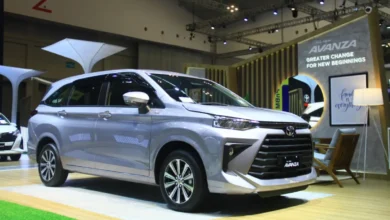
The exterior styling of the 2020 Nissan Livina VE adopts the brand’s signature "V-Motion" grille, which provides a more aggressive and modern visual presence compared to its Mitsubishi sibling. The sharp LED daytime running lights and the structured body lines give the car a more sophisticated silhouette, distancing it from the "boxy" aesthetic often associated with budget MPVs.
Inside, the cabin prioritizes functionality. The VE trim features a dashboard layout that emphasizes horizontal space, creating an illusion of a wider cabin. The use of high-quality plastics and soft-touch materials in key contact areas reflects Nissan’s attempt to elevate the interior experience. The 7-inch infotainment touchscreen serves as the central hub for connectivity, supporting smartphone integration which was a key selling point for the 2020 model year.
Furthermore, the seat arrangement is designed for versatility. The "Smart Utility" feature allows for various seating configurations, enabling the vehicle to transform from a passenger carrier to a cargo hauler with minimal effort. This modularity is a direct inheritance from the shared platform, which was engineered with space optimization as a primary goal.
Safety Standards and Technical Features
Safety in the 2020 Nissan Livina VE is governed by the structural integrity of the shared chassis, which incorporates high-tensile steel to improve rigidity. Standard safety equipment for the VE trim includes dual front airbags, Anti-lock Braking System (ABS), Electronic Brakeforce Distribution (EBD), and Brake Assist (BA).
Additional features include:
- Vehicle Dynamic Control (VDC): This system assists in maintaining stability during cornering and prevents skidding, a crucial safety feature for family vehicles.
- Hill Start Assist (HSA): This prevents the vehicle from rolling backward when starting on an incline, a common requirement in urban environments with multi-level parking structures.
- Rear Parking Sensors and Camera: Essential for maneuvering a vehicle of this size in tight urban spaces.
While the VE trim may lack the additional side airbags found in the top-tier VL, it covers all fundamental safety requirements expected by regulators and safety-conscious consumers.
Historical Context and Market Implications
The launch of the new-generation Livina in 2019 and its subsequent consolidation in the 2020 model year represented a broader trend in the automotive industry: platform sharing. By utilizing the Mitsubishi Xpander’s chassis, Nissan was able to drastically reduce research and development costs while offering a product that resonated with local market preferences for high ground clearance and robust suspension.
Analysts note that this move was a defensive strategy against the declining interest in traditional sedans and low-slung MPVs. The market had clearly signaled a preference for "crossover-inspired" MPVs that could handle uneven road surfaces and minor flooding—common challenges in metropolitan areas across the region. Consequently, the 2020 Nissan Livina VE became a beneficiary of this shift, inheriting the mechanical reliability of the Xpander while retaining the specific branding and aesthetic identity of Nissan.
Analysis of Used Market Valuation
As of the current fiscal year, the used car market for the 2020 Nissan Livina VE has stabilized. Depreciation curves for this model have flattened, making it an attractive entry point for buyers who want a vehicle that is less than five years old but has already undergone the steepest part of its depreciation.
Factors influencing the resale value of the 2020 model include:
- Service History: Prospective buyers are advised to prioritize vehicles with a verified logbook showing routine maintenance at authorized Nissan dealerships. The use of genuine parts is paramount given the sophisticated nature of the shared platform.
- Mileage: Vehicles with under 60,000 kilometers generally command a premium, as they are approaching the first major maintenance intervals for the transmission and suspension bushings.
- Condition of the Electrical System: Given the increase in electronic features, ensuring that the infotainment system and peripheral sensors are functioning correctly is vital during a pre-purchase inspection.
Broader Impact on the MPV Segment
The presence of the 2020 Nissan Livina VE in the secondary market highlights a significant change in consumer behavior. Buyers are increasingly looking past brand loyalty, focusing instead on shared components and the ease of sourcing parts. Because the Livina shares its mechanical DNA with one of the best-selling vehicles in the region, owners benefit from a vast ecosystem of aftermarket support and readily available spare parts. This reality has effectively neutralized the "orphan car" fear that often plagues less popular models.
Furthermore, the transition to this shared platform has forced other manufacturers to reconsider their own entry-level offerings. The competitive nature of the 2020 market cycle pushed OEMs to increase the standard equipment levels of their mid-tier trims, a benefit that continues to accrue to the secondary market today. The 2020 Nissan Livina VE stands as a testament to this era of high competition and engineering efficiency.
Conclusion and Recommendations for Buyers
For those considering the acquisition of a used 2020 Nissan Livina VE, the decision rests on balancing the need for a reliable, spacious family vehicle against the reality of a 4-speed automatic transmission. The car excels in comfort, ride quality, and interior space, making it a pragmatic choice for urban commuting and weekend trips.
Potential buyers are encouraged to perform a comprehensive diagnostic check, specifically focusing on the transmission fluid condition and the state of the suspension system, which bears the brunt of daily driving stress. When viewed objectively, the 2020 Nissan Livina VE remains a cornerstone of the used MPV market, offering a sophisticated blend of platform-proven engineering and the distinct, refined design language that continues to define the Nissan brand. As the automotive industry moves toward electrification and further automation, this period of internal combustion excellence, represented by the 2020 Livina, offers a final, reliable chapter for those prioritizing traditional mechanical value.