Exploring the Historical and Cultural Significance of Cirebon Batik: A Comprehensive Guide to Its Diverse Motifs

Cirebon, a coastal city in West Java, stands as one of Indonesia’s most significant bastions of textile heritage. While the batik traditions of Surakarta and Yogyakarta are often cited as the primary benchmarks of Javanese batik, the Cirebon style possesses a distinct identity that reflects its history as a melting pot of Javanese, Chinese, and Islamic cultures. This unique convergence has resulted in two primary categories of Cirebon batik: the refined, court-centric Batik Keraton and the vibrant, nature-inspired Batik Pesisir, famously centered in the Trusmi village.
The Historical Context of Cirebon Batik
The development of batik in Cirebon is inextricably linked to the history of the Cirebon Sultanate, established in the 15th century. Legend credits Sunan Gunung Jati, one of the Wali Songo (the nine saints who propagated Islam in Java), with fostering the local arts. Because Cirebon was a bustling international port, the local textile industry was heavily influenced by foreign traders.
Batik Keraton, the royal style, traditionally serves as a representation of aristocratic elegance. These pieces are characterized by a subdued color palette—predominantly deep blacks, earthy browns, and dark reds. A defining structural characteristic of the Keraton style is its deliberate layout, often organized in three horizontal tiers. This tripartite division is not merely aesthetic; it carries symbolic weight, often representing the cosmos, the layers of human existence, or the hierarchy of the royal court.
In contrast, Batik Pesisir reflects the more egalitarian and expressive spirit of the coastal community. These textiles are known for their bold, vibrant color schemes, utilizing primary and secondary hues such as bright reds, emerald greens, and cerulean blues. The production of Pesisir batik is often more complex, frequently requiring multiple dyeing processes to achieve intricate color layering. This labor-intensive technique results in a visual depth that has become a hallmark of the Trusmi artisans.
An Analysis of Iconic Motifs
The diversity of Cirebon batik is best understood through its specific motifs, each carrying a unique narrative or philosophical intent. While the "Mega Mendung" is arguably the most recognized symbol of the region, the breadth of Cirebon’s artistic output is far more extensive.

Mega Mendung: The Icon of Cirebon
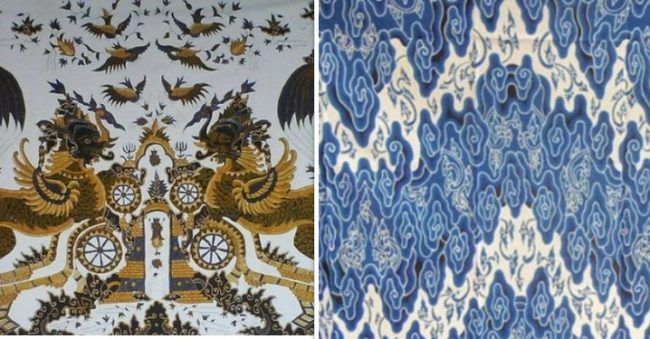
The Mega Mendung motif is synonymous with the identity of Cirebon. It features a series of cloud-like shapes characterized by sharp, elongated, and triangular curves. Historically, the motif is believed to be a localized adaptation of Chinese cloud patterns, introduced to the region centuries ago. Despite the variety of colors used in modern renditions, the integrity of the cloud form remains constant, representing the cooling shade provided by clouds during the hot, humid weather of the Javanese coast. It is a symbol of protection and peace, often sought after for both formal and casual attire.
Singa Barong: The Fusion of Nature and Myth
The Singa Barong motif is a testament to the influence of folklore and the natural environment. Unlike the abstract nature of clouds, this motif incorporates elaborate depictions of forest ecosystems, including trees, flora, and fauna. It captures the spirit of the jungle, reflecting the Cirebon people’s historical proximity to the dense forests of West Java. The motif serves as a reminder of the delicate balance between human society and the wild, often emphasizing the harmony of natural elements.

Paksinaga Liman: The Royal Symbolism
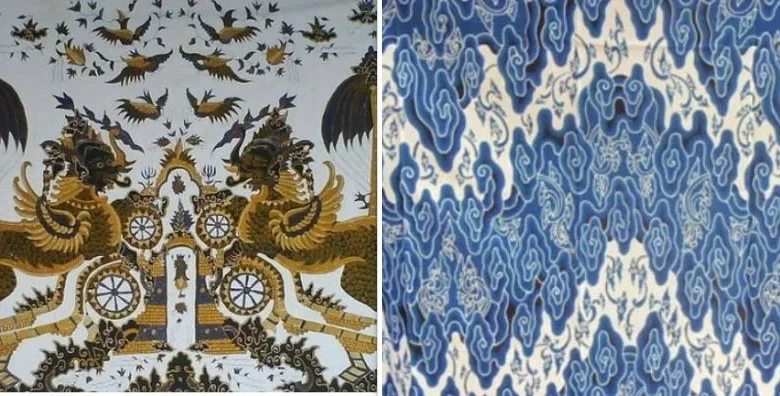
Perhaps the most culturally significant of the Cirebon motifs is the Paksinaga Liman. The name is a portmanteau of three distinct creatures: "Paksi" (Garuda/eagle), "Naga" (dragon/serpent), and "Liman" (elephant). This combination is deeply rooted in the history of the Cirebon Sultanate and is inspired by the legendary royal carriage of the same name, which remains a revered heirloom. Traditionally rendered in brown on a white background, this motif is not just a decorative pattern; it is a manifestation of power, resilience, and the historical synthesis of Hindu-Buddhist and Islamic influences in the region.
Taman Teratai: Philosophy of Growth
The Lotus, or "Teratai," is a recurring theme in Cirebon textile art. The Taman Teratai (Lotus Garden) motif represents the resilience of the lotus, which flourishes even in murky waters. For the people of Cirebon, this plant serves as a philosophical guide, representing the ability to remain pure and steadfast in one’s principles regardless of external circumstances. The motif is typically depicted in an intricate, flourishing arrangement that highlights the plant’s various stages of growth.

Patran Keris and Wadasan: The Classical Aesthetics
Patran Keris is one of the most classical expressions of Cirebon’s heritage. It is defined by a sophisticated, albeit minimalist, aesthetic, often utilizing dark brown and black tones. Unlike more crowded designs, the Patran Keris focuses on the structural elegance of the keris (the traditional Javanese dagger) patterns, showcasing a refined, disciplined artistic approach.
The Wadasan motif, meanwhile, leans heavily into the depiction of nature, specifically focusing on the intricate details of leaves, twigs, and rock formations. Historically categorized as a Keraton-style motif, it uses a classic palette of white and brown. However, contemporary demand has led to a diversification of color, allowing the Wadasan motif to be adapted for a wider range of modern fashion applications.
Sawat Pengantin: The Rite of Passage

In the context of traditional ceremonies, the Sawat Pengantin holds a place of honor. In the local dialect, "sawat" refers to a wing. This motif is primarily associated with wedding ceremonies, where the wing symbol is intended to protect the newlyweds as they embark on their new life together. It serves as a visual prayer for safety and strength, often worn by the bride and groom to signify their transition into a unified family unit.
Ciwaringin Bangau: Resilience and History
The Ciwaringin Bangau motif is distinct for its historical weight. It originated in the Ciwaringin district, a region that experienced the hardships of the colonial era. The inclusion of the "Bangau" (stork or crane) acts as a symbol of loyalty and memory, representing the people’s commitment to their homeland despite displacement or adversity. These textiles often feature a combination of floral elements and the iconic Mega Mendung cloud shapes, bridging the gap between historical narrative and regional artistic identity.
Broader Impact and Socio-Economic Implications

The preservation of these motifs is not merely a matter of cultural pride; it is an economic imperative for the region. The Trusmi batik village, for instance, has evolved into a vital economic hub, supporting thousands of artisans, dyers, and traders. According to local industry reports, the commercialization of these historical motifs has provided a stable livelihood for generations of families, effectively preventing the migration of labor to larger urban centers.
However, the industry faces challenges regarding intellectual property and the mass production of printed "batik-patterned" textiles, which threaten the value of traditional hand-drawn (tulis) and hand-stamped (cap) batik. Cultural experts and local government officials emphasize that the distinction between mass-produced textiles and authentic, traditional batik must be clearly communicated to consumers to preserve the integrity of the craft.
The Future of Cirebon Batik
As we look toward the future, the integration of Cirebon batik into global fashion markets remains a priority. Efforts are underway to standardize the certification of authentic Cirebon batik, ensuring that the labor-intensive processes involved in creating pieces like the Paksinaga Liman or the classic Mega Mendung are recognized and valued.

Furthermore, the adaptation of these motifs into contemporary design—without compromising their traditional roots—has allowed the art form to remain relevant to younger generations. By understanding the profound history behind each thread and dye, both the wearer and the observer contribute to the continued life of this ancient Indonesian tradition. Cirebon batik remains a vibrant, evolving archive of the region’s past, as well as a testament to the creative spirit that continues to define its future.