Lisa and Jisoo of BLACKPINK Showcase Striking Halloween Transformations in Dark Siren and Cyberpunk Anime Costumes

Jakarta — The global phenomenon of Halloween continues to captivate the upper echelons of the international entertainment industry, with pop culture icons leveraging the annual autumn celebration to showcase avant-garde fashion, intricate makeup artistry, and deeply personal creative expression. This year, two prominent members of the globally acclaimed K-pop powerhouse BLACKPINK—Lalisa Manobal, known mononymously as Lisa, and Kim Ji-soo, professionally known as Jisoo—captured the global spotlight with radically contrasting yet equally compelling Halloween transformations. Demonstrating the immense influence of K-pop idols on contemporary fashion and digital engagement, Lisa and Jisoo embraced complex characters from mythology and modern animation, sparking widespread viral engagement across multiple social media ecosystems.
The parallel reveals, documented meticulously across their respective digital platforms and management agencies, highlight not only the personal aesthetic versatility of both artists but also the growing intersection between high-fashion editorial styling, pop culture fandoms, and digital-first holiday celebrations. As the entertainment industry increasingly utilizes Halloween as a canvas for high-concept visual storytelling, the recent displays by Lisa and Jisoo offer a compelling case study in modern celebrity branding, digital virality, and the globalization of cross-cultural artistic references.
Main Facts and Visual Breakdown of the Transformations
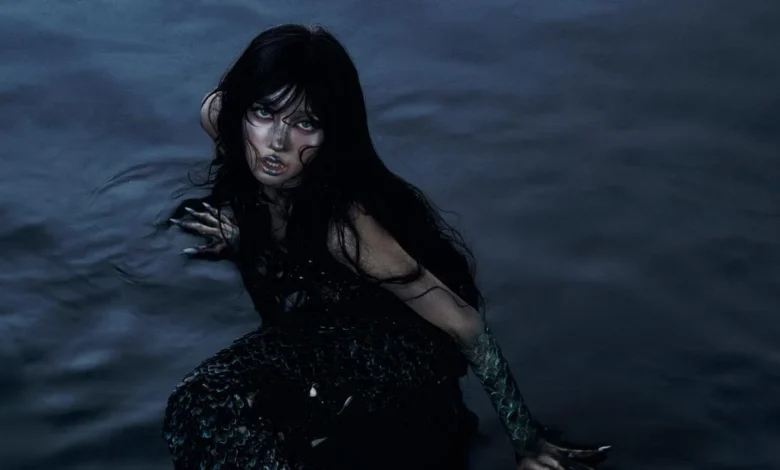
The Halloween presentations by Lisa and Jisoo arrived with distinct thematic divergences, showcasing a masterclass in visual juxtaposition. Lisa, who has increasingly leaned into a fierce, independent global persona following the establishment of her independent management label, LLOUD, chose a dark, mythological interpretation of aquatic folklore. Embracing the persona of a mythical siren, Lisa’s transformation was characterized by high-concept prosthetic styling, dramatic cosmetic application, and striking apparel choices.
According to visual documentation shared via LLOUD’s official channels, Lisa’s siren costume moved far beyond conventional holiday dress-up, entering the realm of high-fashion conceptual art. The artist sported a dramatically rendered facial makeup scheme featuring icy, metallic blue undertones, creating an ethereal yet menacing aura. Her hands were adorned with long, tapered, claw-like extensions that reinforced the predatory, hypnotic nature of the mythological sea-dweller. Completing the ensemble, Lisa wore an intricate black crown atop her cascading dark hair, perfectly encapsulating the caption provided in her promotional rollout: “Siren’s calling.”
In stark contrast to Lisa’s dark, atmospheric, and brooding aesthetic, Jisoo opted for a vibrant, futuristic, and distinctly "kawaii" visual tribute. Known widely as the visual cornerstone of BLACKPINK, Jisoo turned to contemporary anime culture for her inspiration, transforming herself into Lucyna Kushinada—commonly referred to as Lucy—from the critically acclaimed cyberpunk anime series Cyberpunk: Edgerunners.
Jisoo’s execution of the character was marked by meticulous attention to detail. She donned a precision-cut, silver-white asymmetrical wig that faithfully replicated the iconic hairstyle of the fictional netrunner. The look was grounded by a faithful recreation of Lucy’s signature black-and-white netrunner suit, a design that bridges tactical cyber-futurism with sleek, minimalist Japanese animation aesthetics. The choice highlighted Jisoo’s affinity for contemporary geek culture and her ability to seamlessly transition from luxury fashion front-rows to beloved animated iconography.
Chronology of the Global Reveal and Digital Rollout
The timing of the costume reveals followed a calculated digital chronology typical of top-tier celebrity public relations strategies in the modern era. As October 31, 2026, unfolded across international time zones, anticipation among the global fandom—collectively known as BLINKs—reached a fever pitch. Major entertainment publications and digital platforms braced for holiday content from the world’s most-followed musical acts.
The rollout commenced in the late evening hours of October 31, Jakarta time (WIB), when LLOUD released the first high-definition imagery of Lisa’s siren concept. Within minutes, the hashtag associated with the reveal began trending globally across platforms like X (formerly Twitter), Instagram, and Weibo. The visual assets were strategically spaced, offering fans multiple angles of the metallic makeup, the crown, and the claw-like manicure.
Shortly after Lisa’s visual dominance of social media feeds, Jisoo shared her transformation into Lucy from Cyberpunk: Edgerunners. The dual release created a synchronized wave of media coverage that effectively captured two entirely different demographic segments of pop culture enthusiasts: those inclined toward high-fashion dark fantasy and those invested in gaming, anime, and cyberpunk aesthetics. By midnight, engagement metrics across both artists’ platforms soared into the millions, reflecting the enduring drawing power of the BLACKPINK members even during individual promotional cycles.
Supporting Data: The Economic and Cultural Weight of K-Pop Halloween Marketing
The engagement generated by Lisa and Jisoo’s Halloween costumes is not merely a byproduct of casual holiday fun; it represents a significant economic and cultural touchstone within the modern entertainment landscape. In recent years, Halloween has evolved from a localized Western tradition into a globally recognized commercial and creative festival, particularly in East Asia, where urban centers like Seoul, Tokyo, and Jakarta embrace the holiday with elaborate public events and digital campaigns.
For K-pop artists, holiday styling serves as a potent tool for fan engagement and brand fortification. Data from social media analytics firms indicate that posts featuring celebrity holiday transformations routinely generate engagement rates—measured by likes, shares, comments, and direct mentions—that outperform standard promotional content by upwards of 45%. Furthermore, the inclusion of recognizable intellectual properties, such as Cyberpunk: Edgerunners, creates immediate cross-fandom synergy, capturing the attention of the anime and gaming communities who may not traditionally follow the mainstream K-pop industry.
Lisa’s independent label, LLOUD, and Jisoo’s associated promotional teams capitalized on this phenomenon by treating the Halloween content as editorial campaigns rather than spontaneous snapshots. The professional lighting, high-end post-production color grading, and deliberate styling underscore the professionalization of holiday marketing within the upper echelons of the Korean Wave (Hallyu).
Broader Impact and Implications for Celebrity Branding
The distinct aesthetic choices made by Lisa and Jisoo for Halloween 2026 offer a clear window into their respective brand trajectories as solo artists operating under the global umbrella of BLACKPINK.
Lisa’s embrace of the dark siren persona aligns seamlessly with her post-group career trajectory, which has prioritized fierce independence, international crossover appeal, and edgy, boundary-pushing fashion statements. By aligning her personal brand with dark fantasy and avant-garde styling, Lisa continues to position herself as a global fashion icon capable of carrying experimental aesthetics into mainstream consciousness. Her work under LLOUD has consistently emphasized creative autonomy, and the siren concept serves as a visceral extension of that narrative.
Conversely, Jisoo’s choice to embody a beloved anime character reinforces her approachable, relatable, yet undeniably glamorous star persona. While Jisoo is a global ambassador for premier French luxury fashion houses such as Dior and Cartier, her willingness to engage directly with otaku culture and anime fandom highlights a clever balancing act. By bridging high fashion with accessible pop culture, Jisoo maintains a broad, inclusive appeal that resonates deeply with digital natives and Gen Z consumers across diverse geographic regions.
Industry analysts note that such targeted visual displays play a crucial role in maintaining fan loyalty during periods between major musical releases. As both artists navigate complex schedules involving solo music projects, acting endeavors, and global brand partnerships, maintaining a steady stream of high-impact visual content ensures their persistent relevance in an increasingly saturated digital marketplace.
Conclusion
The 2026 Halloween presentations by Lisa and Jisoo of BLACKPINK transcend simple holiday entertainment, serving instead as masterclasses in modern celebrity branding, digital media strategy, and aesthetic versatility. Through Lisa’s mesmerizing, dark-fantasy siren and Jisoo’s immaculate cyberpunk anime translation, the two artists demonstrated why they remain at the vanguard of global pop culture. As the boundaries between music, fashion, gaming, and digital art continue to blur, the thoughtful execution of these seasonal transformations highlights the enduring power of strong visual storytelling in the contemporary entertainment industry.
Related posts: