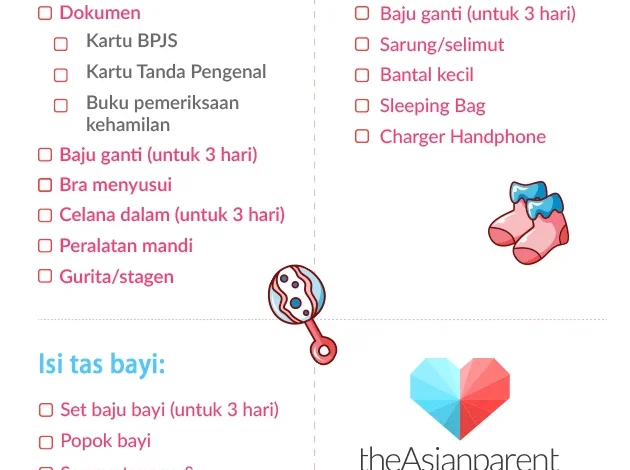
The final weeks of pregnancy are defined by a complex intersection of physiological anticipation and logistical preparation. For expectant parents, the arrival of a newborn is not merely a biological milestone but a significant transition requiring meticulous organizational foresight. Medical professionals and hospital administrators consistently emphasize that having a pre-packed hospital bag—ideally finalized by the 36th week of gestation—is a critical factor in reducing peri-partum anxiety and ensuring the efficiency of clinical care.
The Clinical Importance of Preparedness
Clinical studies on obstetric outcomes suggest that the stress levels of the birthing parent during the onset of labor can influence the overall experience of delivery. When essential documentation, personal comfort items, and infant supplies are readily available, the birthing parent is better equipped to focus on labor management rather than administrative or logistical burdens. According to data from international maternal health organizations, the presence of a well-prepared "go-bag" correlates with a smoother admission process in both elective and emergency clinical settings.

Phase One: Documentation and Administrative Requirements
The administrative burden of hospital admission should not be underestimated. Hospitals require specific documentation to process insurance claims and establish legal records of birth.
- Identity and Insurance: Primary identification, such as a government-issued ID or passport, is mandatory. Insurance cards, policy numbers, and any pre-authorization forms from the insurer must be easily accessible to prevent delays in processing.
- Medical Records: The maternal health record, commonly known as the Buku KIA or an equivalent obstetric history file, must be brought to every hospital visit. This contains critical data regarding blood type, allergy history, and previous complications.
- Birth Plan: While a birth plan is not a medical order, it serves as an essential communication tool between the patient and the medical team. It should outline preferences regarding pain management, the presence of a support partner, and immediate post-partum procedures such as delayed cord clamping or skin-to-skin contact. It is advisable to provide copies to both the attending obstetrician and the nursing staff upon arrival.
Phase Two: Essential Supplies for the Birthing Parent
The recovery period, which includes the immediate post-partum phase, demands specific items that prioritize hygiene and physiological comfort.
- Apparel and Post-Partum Recovery: While hospitals provide gowns, many practitioners note that patients experience higher levels of comfort wearing personal, loose-fitting clothing that allows for skin-to-skin contact. Essential items include nursing-friendly pajamas with front-button closures and supportive, non-restrictive nursing bras.
- Hygiene and Personal Care: Post-partum bleeding (lochia) is a standard physiological process. High-absorbency maternity pads are necessary, as is a dedicated toiletry kit containing fragrance-free soap, a toothbrush, toothpaste, and skincare products that do not interfere with the newborn’s sensory environment.
- Lactation Support: The first 72 hours are critical for the establishment of breastfeeding. A professional-grade nursing pillow provides the necessary ergonomic support to prevent back and neck strain during frequent feeding sessions. Furthermore, carrying a manual or electric breast pump is highly recommended by lactation consultants, especially if the newborn requires observation in the neonatal intensive care unit (NICU) or if the birthing parent experiences engorgement.
Phase Three: Neonatal Provisions
Although hospitals generally provide basic swaddles and diapers during the inpatient stay, parents should ensure they have a curated selection of items for the infant’s transition home.

- Clothing and Thermoregulation: Infants have limited ability to regulate their body temperature. Bringing a weather-appropriate outfit for discharge, including a hat and soft mittens to prevent self-scratching, is vital.
- Hygiene and Grooming: Newborn nails are often thin and sharp. Including a specialized infant nail clipper or emery board in the hospital bag allows parents to trim the infant’s nails safely if necessary.
- Transportation Safety: While not part of the bag itself, it is a legal and safety requirement that an age-appropriate, crash-tested car seat be inspected and installed in the vehicle prior to the hospital discharge date.
Phase Four: The Support Partner’s Logistics
The partner’s role is to act as a buffer between the medical environment and the birthing parent. To maintain this support, the partner must be adequately prepared.
- Sustainable Comfort: Partners are often required to remain in the hospital for 48 to 72 hours. Bringing a change of clothes, personal toiletries, and a dedicated pillow or small blanket can significantly improve the partner’s ability to assist.
- Communication and Documentation: In the digital age, capturing the birth experience is common. A fully charged mobile device, a portable power bank, and, if preferred, a high-quality camera should be packed. It is essential to ensure that storage space is cleared on these devices in advance.
- Nutritional Support: Hospital cafeterias may have limited hours. A supply of non-perishable, high-protein snacks and hydration sources will ensure the support partner maintains the physical stamina required during the labor process.
Strategic Planning and Broader Implications
The logistical preparation for birth is an exercise in risk management. By organizing these supplies into a single, accessible bag, parents reduce the likelihood of "forgotten items" during the high-stress onset of labor.
From a hospital administrative perspective, when patients arrive prepared, the triage process is streamlined. Nurses and attending physicians report that when patients have their medical histories and insurance details organized, they can dedicate more time to clinical assessment and patient education.

Recommended Timeline for Completion:
- Weeks 28–32: Begin researching, purchasing, and laundering baby clothes and essential postpartum supplies.
- Week 34: Schedule a mock run-through to the hospital. Identify the correct entrance for labor and delivery, as it is often different from the main hospital entrance.
- Week 36: Finalize the packing of the hospital bag. Keep the bag in a prominent, easily accessible location at home.
- Week 37 onwards: Ensure the vehicle is fueled and that all necessary car seats are installed.
Conclusion: A Proactive Approach to Parenthood
The transition to parenthood involves a myriad of uncertainties. While no amount of preparation can eliminate the unpredictability of childbirth, organized logistics provide a foundation of stability. By systematically addressing the needs of the birthing parent, the newborn, and the support partner, families can approach the birthing experience with a greater sense of agency and readiness.
Ultimately, the hospital bag is more than a collection of items; it is a manifestation of the care and consideration parents extend toward their new chapter. Whether it is the inclusion of specific medical documentation or the foresight to pack essential snacks, these small actions aggregate to create a safer, more comfortable, and more controlled environment for the most significant event in a family’s history. Parents are encouraged to consult with their healthcare providers regarding any specific facility-based restrictions or recommendations, as hospital protocols can vary significantly by region and institution.
Related posts: