Exploring the Hallyu Wave: Top Metropolitan and Cultural Destinations in South Korea for International Travelers

South Korea has firmly established itself as one of the premier outbound travel destinations for global tourists, particularly from Southeast Asia, driven largely by the explosive popularity of the Korean Wave, or Hallyu. Beyond the traditional historical palaces and natural landscapes, contemporary South Korea offers a dynamic blend of modern urban infrastructure, thriving arts districts, and architectural marvels that frequently serve as the backdrop for blockbuster television dramas. As international tourism rebounds post-pandemic, understanding these key cultural and metropolitan hubs provides valuable insight into how media-induced tourism shapes modern travel patterns.
The Rise of Media-Driven Tourism in East Asia
The phenomenon of Hallyu has fundamentally transformed South Korea’s tourism sector over the past two decades. According to data from the Korea Tourism Organization (KTO), inbound visitor numbers steadily climbed prior to global travel disruptions, with popular culture serving as a primary catalyst for destination branding. Television dramas, K-pop music videos, and cinematic releases have effectively converted everyday urban spaces—ranging from alleyway bars to public libraries—into iconic pilgrimage sites for international fans.
This trend has prompted local municipalities and tourism boards to invest heavily in urban beautification and cultural infrastructure, ensuring that the settings popularized on screen remain accessible and engaging for visitors. Travel analysts note that media-driven tourism yields high economic returns, as travelers eager to recreate cinematic moments often spend significantly on local gastronomy, retail, and experiential activities.

Geonbae: Experiencing the Vibrant Seoul Nightlife and Metropolitan Energy
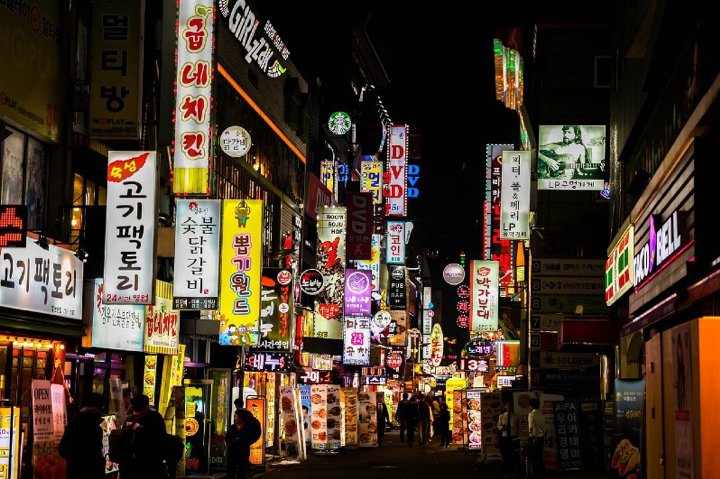
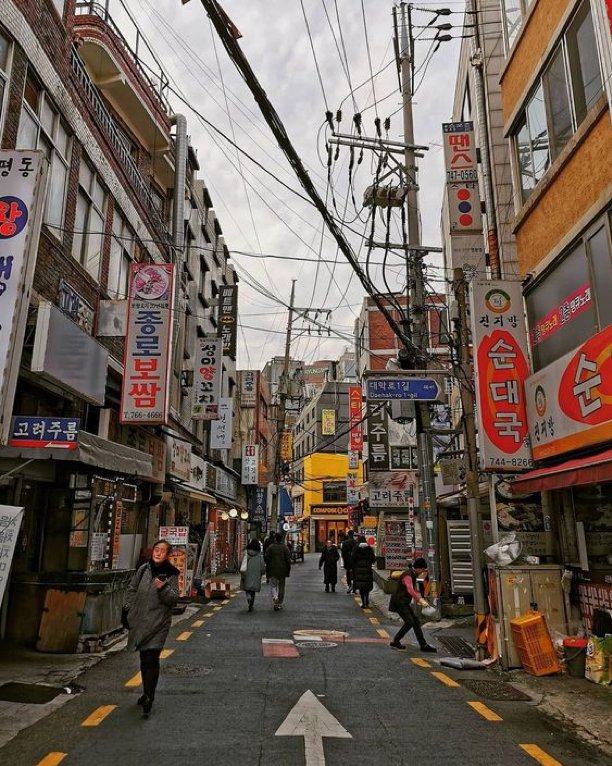
For travelers seeking to immerse themselves in the high-energy pulse of South Korea’s nightlife, Geonbae represents a quintessential modern urban destination. Situated within the bustling commercial districts of Seoul, this popular thoroughfare is characterized by dense clusters of contemporary bars, izakayas, and dining establishments that line both sides of the street.
The visual appeal of Geonbae is defined by its striking neon signage and lively street-level atmosphere, mirroring the quintessential late-night scenes frequently depicted in contemporary urban dramas. Industry experts observe that nightlife districts like Geonbae contribute substantially to Seoul’s nocturnal economy, attracting a diverse demographic of both domestic patrons and foreign tourists. The area operates as a communal melting pot where visitors can experience the social fabric of South Korea’s younger generations, blending modern leisure trends with traditional hospitality.
Daehakro: South Korea’s Cultural Theater District and Artistic Heart
Moving from commercial nightlife to high arts, Daehakro stands as South Korea’s premier theatrical hub. Translating literally to "University Street," this vibrant 1.6-kilometer corridor historically housed the Seoul National University campus before its relocation. Today, Daehakro functions as South Korea’s equivalent to New York City’s Broadway or London’s West End.
The district is densely populated with dozens of independent theaters, live performance spaces, and outdoor amphitheatres hosting everything from avant-garde plays and musicals to traditional Korean performances. Urban planning specialists highlight Daehakro as a successful model of adaptive reuse, where an academic zone transitioned seamlessly into a thriving creative cluster. For cultural tourists, the street offers an intimate glimpse into South Korea’s vibrant performing arts scene, supported by local government initiatives aimed at fostering independent arts and keeping ticket prices accessible to a broad audience.
Starfield Library: Architectural Innovation and Public Literary Spaces
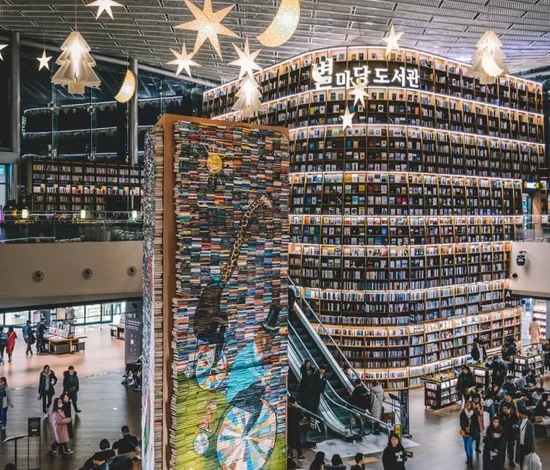
Redefining the concept of public literary infrastructure, the Starfield Library in Gangnam, Seoul, has emerged as one of the most photographed architectural landmarks in the country. Located inside the COEX Mall, this expansive open-plan public library spans 2,800 square meters and features towering bookshelves that reach heights of 13 meters, housing over 50,000 books, magazines, and digital archives.
Opened to the public in 2017 as part of a major retail and cultural revitalization project, the library was designed to serve as a communal living room for citizens and visitors alike. Unlike traditional research libraries characterized by strict silence and restricted access, the Starfield Library embraces an open, participatory ethos. It regularly hosts book discussions, poetry readings, and classical music recitals. Architectural critics have praised the integration of natural light through its vast glass ceiling, which illuminates the towering wooden bookshelves and creates a visually stunning environment that frequently features in international media and streaming productions.
Economic Implications and the Future of Urban Tourism in Seoul
The sustained popularity of destinations like Geonbae, Daehakro, and the Starfield Library underscores a broader shift in global tourism trends toward experiential and media-aligned travel. Economists and tourism stakeholders emphasize that maintaining the appeal of these urban sites requires continuous public-private collaboration. Investments in multilingual signage, public transportation accessibility, and digital infrastructure are crucial to accommodating the influx of international visitors.
Furthermore, municipal authorities in Seoul have increasingly emphasized sustainable tourism practices to manage foot traffic in dense urban zones, ensuring that the preservation of local neighborhoods balances commercial growth. As global mobility continues to normalize, South Korea’s strategic alignment of popular culture, modern architecture, and urban revitalization ensures its position as a top-tier destination for international travelers seeking both aesthetic appeal and cultural depth.