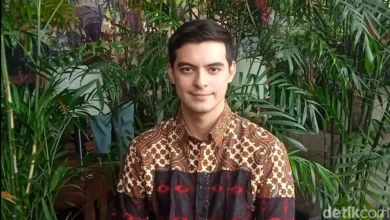
Ruben Onsu Files Child Custody Lawsuit Against Sarwendah, First Hearing Set for Mid-2026 Amidst Call for Mandatory Mediation


Jakarta, Indonesia – High-profile Indonesian presenter Ruben Onsu has formally initiated a child custody lawsuit against his former wife, Sarwendah, following their recent divorce. The legal action, filed with the South Jakarta District Court, seeks a definitive legal framework for the care and upbringing of their children. The initial hearing for this significant case has been scheduled for a notably distant date: July 15, 2026. This prolonged timeline underscores the complexity of family law disputes, even as legal representatives emphasize the mandatory role of mediation as a crucial preliminary step.
Background to a High-Profile Split
The filing of this child custody suit marks another chapter in the widely publicized separation of Ruben Onsu and Sarwendah Tan, a couple who were once seen as a paradigm of domestic harmony in the Indonesian entertainment industry. Ruben Onsu, a prominent figure known for his charismatic presence on television and extensive business ventures, married Sarwendah, a former member of the girl group Cherrybelle, on October 22, 2013. Their union quickly became a focal point of public interest, celebrated for its apparent stability and warmth.
Over the course of their marriage, the couple welcomed two biological daughters, Thalia Putri Onsu, born in 2015, and Thania Putri Onsu, born in 2019. In 2019, they also publicly announced the adoption of Betrand Peto Putra Onsu, who became affectionately known as Onyo, further expanding their family. The Onsu family frequently shared glimpses of their life, showcasing their close bonds and family activities across various media platforms and social media, fostering an image of an idyllic household. This public persona made their eventual divorce all the more surprising and a subject of intense media scrutiny and public discussion.
Rumors of marital discord began circulating earlier in 2024, culminating in Ruben Onsu filing for divorce in early June 2024. The South Jakarta District Court officially granted their divorce in July 2024, concluding a marriage that had lasted nearly eleven years. While the divorce proceedings themselves were relatively swift, the subsequent child custody dispute indicates deeper unresolved issues regarding their post-marital co-parenting arrangements.
The Genesis of the Custody Dispute
The current child custody lawsuit, filed by Ruben Onsu, stems from what his legal team describes as persistent difficulties in implementing agreed-upon visitation and meeting schedules with his children. According to Minola Sebayang, Ruben Onsu’s attorney, the primary motivation behind the lawsuit is to obtain a legally enforceable court order that will formalize and regulate these crucial aspects of co-parenting.
"If we follow the mechanism, mediation is indeed mandatory," Minola Sebayang stated in a virtual interview. He further elaborated that the existing arrangements, which were previously documented in Notarial Deed number 39, have not functioned as intended. This breakdown in the informal agreement has necessitated a formal legal intervention. The lawsuit, therefore, is not merely about assigning "custody" in the traditional sense, but about establishing a clear, legally binding framework for parental rights and responsibilities, particularly concerning access and visitation, which Onsu’s camp claims have not been adequately realized. The goal is to ensure that the children’s needs for consistent interaction with both parents are met under a structured, court-sanctioned plan.
The Mandatory Path of Mediation in Indonesian Family Law
In Indonesia, the judicial process for family disputes, especially those involving divorce and child custody, places a significant emphasis on mediation. This is a mandatory stage designed to encourage estranged parties to reach an amicable settlement outside of a contentious courtroom battle. The rationale behind this mandate is multi-faceted: it aims to preserve family harmony where possible, reduce the emotional and financial burden on the parties involved, alleviate the caseload of the courts, and, most importantly, prioritize the welfare and best interests of any minor children.
During mediation, a neutral third party—a court-appointed mediator—facilitates discussions between Ruben Onsu and Sarwendah. The process is confidential, allowing both parties to openly express their concerns, proposals, and desired outcomes regarding child custody, visitation, and support. The mediator’s role is not to impose a decision but to guide the parties toward a mutually acceptable agreement. If a consensus is reached, the agreement is then formalized and submitted to the court, which can then issue a court order validating the settlement. This court order holds the same legal weight as a judgment issued after a full trial, making it legally enforceable. If mediation fails, the case proceeds to litigation, where a judge will make a final decision based on presented evidence and legal arguments.
Seeking Legal Certainty: Beyond Notarial Deeds
A central point of contention highlighted by Ruben Onsu’s legal team is the perceived inadequacy of the prior notarial deed (Akta Notaris nomor 39) in ensuring the smooth execution of child meeting schedules. While a notarial deed is a legally recognized document that records agreements between parties, it often lacks the direct enforceability of a court order in family matters.
"At the very least, there will be a legal product, issued by the court, that regulates this matter," Minola Sebayang asserted, underlining the critical difference. A court order, resulting from either a successful mediation agreement or a judge’s ruling, carries inherent legal authority. It is directly enforceable by law enforcement agencies, meaning that if one party fails to adhere to its terms, the other party can seek judicial intervention to compel compliance. In contrast, enforcing a notarial deed often requires a separate legal action to transform it into a court order, adding layers of complexity and delay.
Ruben Onsu’s pursuit of a court-sanctioned framework suggests a desire for greater legal certainty and a more robust mechanism to ensure consistent access and interaction with his children. The experience with the notarial deed seemingly demonstrated that a more authoritative legal instrument is necessary to prevent future disputes and ensure that co-parenting responsibilities are fulfilled without constant contention. This move aims to establish clear boundaries and expectations, reducing ambiguity and fostering a more stable environment for the children post-divorce.
A Detailed Timeline of Key Events
Understanding the sequence of events leading up to this child custody lawsuit provides crucial context:
- October 22, 2013: Ruben Onsu and Sarwendah Tan solemnize their marriage, commencing their journey as a high-profile couple in the Indonesian entertainment scene.
- June 5, 2015: Their first biological daughter, Thalia Putri Onsu, is born, marking the beginning of their family.
- May 25, 2019: Their second biological daughter, Thania Putri Onsu, is born. In the same year, the couple also officially adopts Betrand Peto Putra Onsu, who quickly integrates into the family, becoming a beloved public figure known as Onyo.
- May 2024: Reports and rumors regarding marital discord between Ruben Onsu and Sarwendah begin to intensify in various media outlets and social circles, signaling potential trouble in their seemingly perfect union.
- June 11, 2024: Ruben Onsu officially files for divorce from Sarwendah at the South Jakarta District Court, confirming the earlier speculations and initiating the formal separation process.
- July 2024: The South Jakarta District Court grants the divorce, formally dissolving the marriage between Ruben Onsu and Sarwendah. The details of their divorce settlement, apart from the custody aspect now in dispute, remain largely private.
- June 2024 (approximate): Following the divorce filing, or concurrently with the dissolution of their marriage, Ruben Onsu files the child custody lawsuit. While the exact filing date for this specific suit is not explicitly stated in the initial reports, it logically follows the breakdown of their marital agreement and the divorce.
- July 15, 2026: The South Jakarta District Court schedules the first hearing for the child custody lawsuit. This notably distant date allows for an extended period during which mediation efforts can be pursued, potentially leading to a resolution before formal court proceedings fully commence. The long lead time could also be attributed to court backlogs or strategic scheduling to facilitate extensive out-of-court negotiations.
Statements and Legal Strategy from Ruben Onsu’s Camp
Minola Sebayang, representing Ruben Onsu, has been transparent about the strategic approach to the child custody case. He consistently emphasizes that while the lawsuit has been filed, the door remains open for an amicable resolution through mediation. This reflects a common legal strategy where a formal filing establishes a legal standing but does not preclude settlement.
"If the results are good, if there’s a meeting point, then at the first hearing, we will mature and solidify what has been agreed upon during the mediation," Sebayang explained. This statement indicates that if mediation proves successful and a satisfactory agreement is reached, Ruben Onsu is prepared to withdraw the lawsuit. The agreement would then be presented to the court for ratification, ensuring it gains legal enforceability as a judicial decree. This approach prioritizes a consensual resolution that benefits all parties, particularly the children, over a protracted and potentially acrimonious legal battle.
Regarding Ruben Onsu’s personal attendance at the inaugural hearing in 2026, Sebayang admitted he could not provide a definitive answer. "As of today, because the hearing is on July 15, we haven’t discussed it thoroughly with Ruben Onsu, and because we haven’t met, that conversation hasn’t been addressed at all," he concluded. This highlights the preparatory nature of the current stage, focusing on the legal strategy and preliminary steps, with the specifics of court appearances to be decided closer to the date.
Sarwendah’s Position and the Principle of Joint Custody
While direct statements from Sarwendah or her legal representatives regarding the child custody lawsuit have not been widely publicized, her legal position as the respondent in the case is clear. She will be represented in court and during mediation, and her legal team will undoubtedly present her perspective on the children’s welfare, upbringing, and the proposed visitation arrangements.
Indonesian family law generally adheres to the principle of joint parental responsibility post-divorce. Unless there are compelling reasons, such as evidence of unfitness or danger to the children, courts typically strive to ensure both parents maintain active roles in their children’s lives. Decisions regarding custody and visitation are always made with the children’s best interests as the paramount consideration. This often translates into arrangements that allow both parents significant involvement, promoting stability and continuity for the children. Sarwendah’s legal strategy will likely center on demonstrating her capacity to provide a nurturing environment and advocating for arrangements that uphold the children’s well-being. The mediation process will be a critical arena for both parties to articulate their proposals and find common ground that satisfies legal requirements and personal preferences.
Implications for the Children and Co-Parenting Challenges
The ongoing legal proceedings, particularly a child custody battle, can have profound emotional and psychological implications for the children involved: Betrand, Thalia, and Thania. Exposure to parental conflict, even if indirect, can create stress, anxiety, and feelings of instability. For high-profile children like the Onsus, the added layer of public scrutiny can exacerbate these challenges.
Effective co-parenting post-divorce requires open communication, mutual respect, and a shared commitment to prioritizing the children’s needs above personal differences. However, achieving this can be incredibly challenging, especially when trust has been eroded. The lawsuit highlights the difficulties many divorced parents face in maintaining consistent visitation schedules and fulfilling co-parenting agreements. A court-ordered custody arrangement, while legally binding, does not automatically guarantee harmonious co-parenting. It merely provides a framework. The real work lies in the parents’ ability to set aside their personal grievances and collaborate for the sake of their children’s emotional and developmental well-being. The court’s ultimate goal is to establish an environment where the children can thrive, maintaining healthy relationships with both parents.
Broader Context: Celebrity Divorces and Public Scrutiny
The divorce and subsequent child custody battle of Ruben Onsu and Sarwendah are emblematic of the intense public scrutiny faced by high-profile figures. Celebrity divorces often transcend personal matters, becoming subjects of public discourse, speculation, and sometimes, moral judgment. This phenomenon places immense pressure on the individuals involved, requiring them to navigate deeply personal and often painful experiences under the unforgiving glare of the media spotlight.
Such cases also serve to educate the public, inadvertently shedding light on the complexities of family law, the importance of legal certainty, and the emotional toll of marital dissolution. The media’s role in shaping public perception is significant, influencing how these events are understood and discussed. For figures like Ruben Onsu and Sarwendah, every legal step, every public statement, is analyzed, adding another layer of challenge to an already difficult personal journey.
The Road Ahead: Navigating a Complex Legal Landscape
As the July 15, 2026, hearing date approaches, the focus for Ruben Onsu and Sarwendah will be on the mediation process. The lengthy period between the lawsuit filing and the initial hearing provides ample opportunity for extensive out-of-court negotiations. Both parties, guided by their legal teams, will likely engage in multiple rounds of discussions to try and forge a comprehensive agreement on child custody, visitation, and potentially other related matters like child support.
Should mediation prove successful, the resulting agreement, once ratified by the court, will provide a legally robust and enforceable framework for co-parenting. This outcome would be generally favored as it stems from mutual consent, often leading to better long-term adherence than a judicially imposed decision. However, if mediation fails to yield a satisfactory resolution, the case will proceed to formal litigation, where the court will hear arguments from both sides and ultimately issue a binding judgment on the child custody arrangement.
The long-term goal for all involved, especially the legal system, is to establish a stable and predictable co-parenting environment that fosters the optimal development and well-being of Betrand, Thalia, and Thania. The journey through the legal system is often arduous, but the objective remains clear: to secure a future for the children where their needs are met with consistency and care from both parents.
In conclusion, Ruben Onsu’s child custody lawsuit against Sarwendah, set against a backdrop of public interest and the intricacies of Indonesian family law, represents a significant effort to establish a clear and enforceable legal framework for their children’s future. The emphasis on mandatory mediation underscores the legal system’s commitment to amicable resolutions, with the distant 2026 hearing date providing ample time for the parties to pursue a consensual path forward. The ultimate aim is to ensure the children’s well-being through a comprehensive, legally sound, and stable co-parenting arrangement.