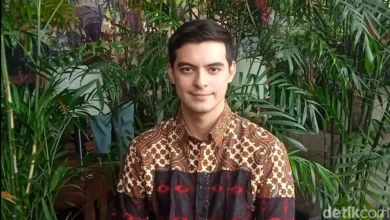
Jakarta, Indonesia – Prominent Indonesian actress Bunga Zainal, accompanied by her husband, film producer and businessman Sukhdev Singh, made a significant appearance at the National Police Headquarters (Mabes Polri) in Jakarta on Tuesday, June 2, 2026, to press for progress in an ongoing coal investment fraud case. Their visit underscored growing frustrations over what they describe as a lack of significant advancement in the investigation, prompting them to formally report alleged unprofessional conduct by specific police investigators to the internal oversight divisions of the National Police, namely Propam (Divisi Profesi dan Pengamanan) and Irwasum (Inspektorat Pengawasan Umum). The couple’s action highlights a persistent struggle for justice in high-value financial fraud cases in Indonesia, particularly when investigations appear to stagnate for extended periods.
Allegations of Stalled Investigation and Suspected Misconduct
Sukhdev Singh’s legal team first filed a criminal complaint regarding the alleged investment fraud in May 2024. Despite the passage of more than two years since the initial report, the case, which involves substantial financial losses amounting to billions of rupiah, has reportedly seen minimal progress. According to Tommy Sinulingga, the criminal law attorney representing Sukhdev Singh, the evidence presented to the police is exceptionally clear and should have long ago led to the designation of the reported individual, identified by the initials DH, as a suspect. Sinulingga expressed deep concern over what he perceives as significant irregularities in the handling of the case.
"As legal counsel for Mr. Sukhdev, from a criminal perspective, we observe various irregularities committed by the investigating officers handling this case. The case has now ‘celebrated its birthday’ multiple times, so to speak, yet the reported party has not been declared a suspect. This is despite the case being relatively straightforward," Tommy Sinulingga stated during a press briefing at Mabes Polri. He further elaborated that the prolonged delay, coupled with the apparent clarity of the evidence, has raised serious suspicions among his legal team.
Sinulingga did not mince words, suggesting that the sluggish pace and lack of decisive action in a case involving such significant financial ramifications – specifically, losses in the billions of rupiah – could indicate a deeper issue. "We are therefore compelled to suspect that these individual police officers may have received bribes from the reported party. This is why the case has become so protracted and perplexing," Sinulingga asserted, pointing to a severe breach of professional conduct if such allegations were to be substantiated. The public accusation of bribery against law enforcement officers is a grave one, signaling the extent of the family’s exasperation and their determination to seek accountability at the highest levels of the police institution.
The Anatomy of the Alleged Fraud: Bounced Checks as Core Evidence
Sukhdev Singh himself provided details regarding the genesis of the alleged fraud, which centers on three bounced checks issued as collateral for the investment. He explained that these checks, which were meant to guarantee the investment, ultimately proved worthless when presented for payment. The sums involved are substantial: two checks were issued for Rp330 million each, and a third, larger check, was for Rp2 billion. Cumulatively, the total loss directly linked to these uncashable instruments amounts to Rp2.66 billion (approximately USD 170,000, depending on exchange rates).
"There were actually three collateral checks given to me. Two checks were worth Rp330 million each, and one check was for Rp2 billion," Sukhdev Singh recounted, detailing the exact figures that underscore the magnitude of the financial deception. The use of bounced checks as a form of payment or guarantee is a common method in investment fraud schemes, as it creates an illusion of security and legitimate transaction while the underlying funds are non-existent. In Indonesian law, issuing a blank or bounced check (cek kosong) under specific circumstances can constitute a criminal offense, particularly if it is part of a broader scheme to defraud.
Actress Bunga Zainal, present alongside her husband, affirmed their purpose in attending the National Police Headquarters. Her presence, as a public figure, lent additional weight and media attention to the family’s plight. She emphasized that their visit was a direct effort to demand accountability and inquire about the next steps in the investigation, particularly given the apparent lack of progress since the report was first filed in May 2024. "We are here at Mabes Polri to ask about the follow-up to our report," Bunga Zainal stated, highlighting the family’s direct appeal for transparency and expedited action.
The family of Sukhdev Singh hopes that by escalating their complaint to Propam and Irwasum, the internal oversight bodies of the National Police, the legal process against DH will finally proceed with the professionalism and transparency they believe it deserves. Their ultimate goal is to achieve legal certainty and redress for the significant financial losses incurred due to the coal investment that culminated in the issuance of these fraudulent checks.
Background Context: Investment Fraud in Indonesia and the Coal Sector
Investment fraud remains a persistent challenge in Indonesia, often preying on individuals seeking high returns or exploiting a lack of financial literacy. Schemes can range from pyramid schemes and bogus online investments to more sophisticated operations involving tangible assets like property, plantations, or, as in this case, the lucrative but often opaque coal industry. The allure of high profits in sectors like coal, which saw a boom in recent years, can make them ripe targets for fraudulent activities. Investors, eager to capitalize on market upturns, may sometimes bypass due diligence, making them vulnerable to promises that are too good to be true.
The coal industry itself, while a vital part of Indonesia’s economy, has also been associated with complex business dealings and, at times, allegations of illicit practices. The opaque nature of some transactions, combined with the high capital requirements and potential for significant returns, can create an environment where fraudulent schemes can thrive. Victims often include both individual investors and larger entities, with losses sometimes running into hundreds of billions or even trillions of rupiah across various cases.
The Role of Propam and Irwasum: Internal Police Oversight
The decision by Sukhdev Singh and his legal team to report the investigating officers to Propam and Irwasum is a critical development. It signifies a loss of faith in the standard investigative channels and an appeal to the police’s internal mechanisms for accountability.
- Propam (Divisi Profesi dan Pengamanan): This division is responsible for maintaining the professional ethics and discipline of police officers. It investigates complaints of misconduct, ethical breaches, and violations of police regulations. If Propam finds evidence of wrongdoing, it can recommend disciplinary actions, which can range from warnings and suspensions to dismissal from service. Allegations of bribery, as made by Sinulingga, fall squarely within Propam’s purview.
- Irwasum (Inspektorat Pengawasan Umum): The General Inspectorate is responsible for overseeing the performance and general administration of the police force. It conducts internal audits and evaluations to ensure that police operations are efficient, effective, and comply with established procedures. While Propam focuses on ethical and disciplinary matters, Irwasum often looks at systemic issues, administrative irregularities, and overall operational efficiency. A stalled investigation, particularly one with clear evidence, could prompt an Irwasum review of procedural adherence and management oversight.
Reporting to these bodies is often a last resort for complainants who feel their cases are being mishandled or deliberately stalled. It sends a strong signal that the alleged misconduct is not being tolerated and demands a higher level of scrutiny within the police institution itself.
Chronology of Events and Escalation
The timeline of Sukhdev Singh’s case underscores the prolonged nature of the pursuit of justice:
- May 2024: Sukhdev Singh, through his legal counsel, files the initial criminal report concerning the alleged coal investment fraud at the relevant police unit. The report details the issuance of three checks (two at Rp330 million, one at Rp2 billion) that subsequently bounced, serving as primary evidence of the fraud.
- May 2024 – Early 2026 (Approximately 2 years): The case enters the investigation phase. Despite the alleged clarity of evidence, particularly the bounced checks, the investigation reportedly makes little to no significant progress. No suspect (DH) is formally named, and the case remains in limbo. During this period, Sukhdev Singh’s legal team likely engages in repeated inquiries and follow-ups with the investigating unit, expressing concerns about the lack of action.
- Early 2026: Growing increasingly frustrated by the apparent stagnation and perceived lack of professionalism, Sukhdev Singh and his legal team decide to elevate the matter. They prepare formal complaints against the investigating officers.
- Tuesday, June 2, 2026: Bunga Zainal and Sukhdev Singh, accompanied by their legal counsel Tommy Sinulingga, visit the National Police Headquarters. They formally submit their complaints to Propam and Irwasum, alleging unprofessional conduct and potential bribery by the investigating officers. They also use the opportunity to publicly question the ongoing delays and demand an explanation for the lack of progress in their initial criminal report. This public appearance marks a significant escalation, drawing media attention and placing increased pressure on the police institution to address the allegations.
Implications and Broader Impact
The Sukhdev Singh-Bunga Zainal case carries several broader implications for Indonesia’s legal system, law enforcement, and public trust:
- Public Trust in Law Enforcement: Allegations of bribery and unprofessionalism against police officers, particularly in high-profile cases, can severely erode public trust in the institution. For the public to have faith in the rule of law, the police must be perceived as impartial, efficient, and incorruptible. Stalled investigations and accusations of misconduct undermine this perception.
- Accountability of State Apparatus: The move to report officers to Propam and Irwasum highlights the critical role of internal oversight mechanisms within state institutions. Their effectiveness in impartially investigating and sanctioning officers found guilty of misconduct is paramount to ensuring accountability and maintaining institutional integrity. The outcome of this internal investigation will be closely watched.
- Investor Confidence: Cases of investment fraud, especially those involving significant sums and prominent figures, can have a chilling effect on investor confidence. If the legal system struggles to deliver justice in such clear-cut cases, it may deter both domestic and foreign investors from engaging in business ventures, fearing inadequate legal protection for their investments.
- Challenges for Victims of Fraud: The prolonged struggle faced by Sukhdev Singh underscores the immense emotional, financial, and time-consuming burden placed on victims of fraud. Even with seemingly strong evidence, navigating the legal system can be a daunting and frustrating experience, further exacerbated by alleged police inaction.
- Media Scrutiny and Pressure: The involvement of public figures like Bunga Zainal ensures that the case receives significant media attention. This media spotlight can act as a crucial mechanism for pressuring authorities to act decisively and transparently, ensuring that cases do not simply fade away into bureaucratic limbo.
- Legal System Efficiency: The case also brings into question the overall efficiency of the criminal justice system in handling complex financial crimes. Delays, whether due to systemic issues or individual misconduct, ultimately delay justice and can perpetuate a cycle of impunity.
As the case moves forward, the focus will now shift to how Propam and Irwasum handle the serious allegations leveled against the investigating officers. The outcome will not only determine the fate of Sukhdev Singh’s investment fraud case but also serve as a barometer for the commitment of the Indonesian National Police to upholding professionalism and integrity within its ranks. The public, and particularly victims of similar financial crimes, will be keenly observing whether justice, after a protracted wait, will finally be served.