8 Essential Foot Reflexology Pressure Points and Their Evidence-Based Health Benefits

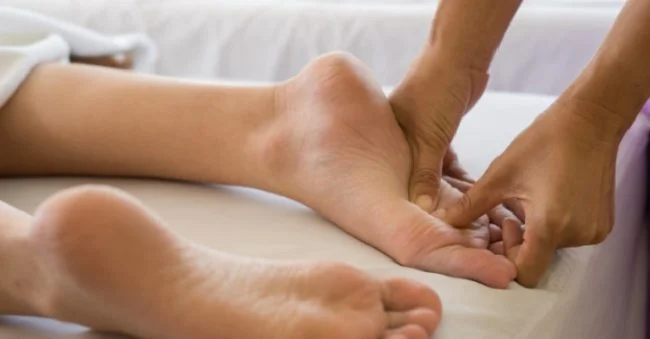
Foot reflexology is a therapeutic practice rooted in ancient healing traditions that continues to gain traction in modern wellness circles as a non-invasive, cost-effective method for managing daily physiological and psychological stressors. By applying targeted pressure to specific zones on the feet—which proponents argue correspond to various organs and systems within the body—individuals can stimulate the nervous system, improve circulation, and facilitate systemic relaxation. As global interest in holistic health grows, understanding the mechanism, application, and safety parameters of reflexology has become increasingly relevant for individuals seeking to manage ailments such as insomnia, chronic fatigue, and muscular tension without immediate recourse to pharmacological interventions.
The Historical and Theoretical Framework of Reflexology
The practice of reflexology is not a recent phenomenon. Historical records suggest that similar forms of foot therapy were utilized in Ancient Egypt, China, and among indigenous North American tribes. The modern iteration of the practice, often referred to as "Zone Therapy," was popularized in the United States in the early 20th century by Dr. William Fitzgerald and later refined by Eunice Ingham. The underlying theory posits that the body is divided into ten longitudinal zones, with the feet serving as a mirror for the entire human anatomy.
While traditional medicine often classifies reflexology as an "alternative" therapy, recent studies have begun to explore the physiological rationale behind its efficacy. Researchers suggest that reflexology may trigger the body’s parasympathetic nervous system, effectively lowering cortisol levels and inducing a state of deep relaxation. This response can, in turn, alleviate secondary symptoms associated with stress, such as hypertension, tension headaches, and gastrointestinal distress.
Addressing Insomnia and Sleep Quality
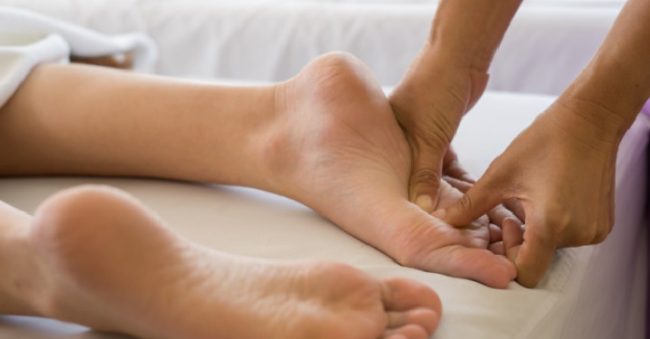
Insomnia remains a significant public health challenge, with the National Sleep Foundation reporting that approximately one-third of the global adult population suffers from some form of sleep disturbance. Reflexology is frequently cited as a supplemental tool to improve sleep hygiene. By applying pressure to the pituitary gland point (located at the center of the big toe) and the solar plexus point (found in the center of the foot, just below the ball), practitioners aim to calm the central nervous system.
Clinical observations suggest that consistent stimulation of these areas can reduce sleep latency—the time it takes to fall asleep—by moderating the body’s stress response. For best results, individuals are advised to engage in this practice for 10 to 15 minutes before bed in a quiet, dimly lit environment, ensuring that the pressure is firm but not painful.
Mitigating Muscular Fatigue and Physical Exhaustion
Daily physical activity, prolonged standing, and improper footwear contribute to foot pain and overall body fatigue. The structural complexity of the foot, which contains 26 bones, 33 joints, and over 100 muscles, tendons, and ligaments, makes it highly susceptible to inflammation. Reflexology provides a mechanical benefit by stimulating blood flow to these tissues, which facilitates the removal of metabolic waste products like lactic acid.
To address general foot soreness, one should focus on the heel area, which corresponds to the sciatic nerve and pelvic region. Massaging the arch of the foot can also provide relief for those suffering from plantar fasciitis or generalized foot strain. Using a carrier oil, such as jojoba or coconut oil, can reduce friction and prevent skin irritation during the session.

Enhancing Energy Levels and Vitality
In an era of high-caffeine reliance, many individuals turn to energy drinks, which are often laden with sugar and artificial stimulants. Reflexology offers a more sustainable, physiological alternative. By focusing on the adrenal gland points—located near the base of the big toe—practitioners aim to stimulate the endocrine system, which regulates the body’s energy production. This practice is believed to help the body regain homeostasis, allowing for a more balanced release of energy throughout the day rather than the erratic spikes and crashes associated with synthetic stimulants.
Management of PMS and Hormonal Fluctuations
Premenstrual Syndrome (PMS) affects a vast majority of menstruating women, manifesting in symptoms ranging from irritability to physical cramping. Reflexology, particularly targeting the points corresponding to the reproductive organs (located on the inner ankle and the sides of the heels), has been studied for its potential to alleviate these symptoms. The practice is thought to help balance hormonal fluctuations by stimulating the endocrine glands. While reflexology is not a replacement for medical treatment in cases of severe hormonal imbalances, it serves as a highly effective complementary therapy for symptom management.
Addressing Respiratory Issues and Tension Headaches
During seasonal changes, respiratory issues like the common cold can impede daily productivity. Reflexology practitioners often target the tips of the toes, which are believed to correspond to the sinuses and head region. By applying consistent pressure to these areas, individuals may experience relief from sinus congestion and pressure-related headaches. Similarly, for tension headaches, the area around the base of the big toe (the neck and head region) is the primary focus. Consistent, circular massage movements in these areas are documented to release the muscular tension that often exacerbates cephalalgia.
Mental Health: Anxiety and Depression
The link between mental health and physical touch is well-documented in clinical psychology. Reflexology acts as a form of sensory stimulation that promotes mindfulness and grounding. The point located between the base of the big toe and the second toe is often referred to as the "great rushing" point in acupressure; stimulating this area is associated with lowering feelings of anxiety and emotional distress. While this should never replace professional psychiatric care, it serves as an excellent adjunct therapy for those managing mild to moderate stress.

Relieving Chronic Back Pain
Chronic back pain is one of the leading causes of disability globally. Reflexology addresses this by focusing on the medial edge of the foot, which is anatomically mapped to the spinal column. By working the arch of the foot from the big toe down to the heel, individuals can indirectly stimulate the nerves associated with the spine, potentially reducing muscle tension in the lumbar and thoracic regions.
Safety Protocols and Contraindications
Despite its myriad benefits, reflexology is not appropriate for every individual. It is crucial to acknowledge that improper technique or application during specific health conditions can lead to adverse effects. For instance, individuals suffering from deep vein thrombosis (DVT) should avoid reflexology, as the manipulation of the lower extremities could potentially dislodge a blood clot.
Furthermore, pregnant individuals, those with severe foot injuries, or patients with uncontrolled diabetes (due to potential nerve damage and poor wound healing) must consult with a healthcare provider before beginning any reflexology regimen. Common side effects of improper or overly aggressive technique include localized bruising, temporary inflammation, or, in rare cases, lightheadedness if the individual is dehydrated or has low blood pressure.
The Role of Professional Consultation
While self-administered reflexology is accessible, it is important to understand the limits of this practice. It is intended to function as a supportive, preventative measure rather than a curative treatment for acute medical emergencies. When seeking professional services, one should prioritize certified practitioners who have undergone accredited training. The integration of reflexology into a broader wellness plan—which includes balanced nutrition, regular exercise, and adequate sleep—yields the most sustainable health outcomes.

Implications for Future Wellness Integration
The increasing integration of reflexology into corporate wellness programs and hospital-based palliative care units signals a shift toward a more holistic approach to health. As evidence-based research continues to grow, the medical community is moving toward a model where patient comfort and stress reduction are treated with as much gravity as clinical symptom management. By empowering individuals with the knowledge to perform basic self-care, such as targeted foot reflexology, the healthcare landscape can shift toward a more proactive, patient-centered paradigm.
In summary, foot reflexology represents a convergence of historical wisdom and modern health management. Whether utilized to combat the physiological manifestations of stress, such as insomnia and headaches, or to support systemic energy and balance, the practice offers a versatile, low-risk tool for the modern individual. By respecting the anatomical maps of the feet and adhering to safety guidelines, one can harness this ancient technique to improve quality of life and foster a deeper connection to the body’s innate healing capabilities. As we continue to navigate the complexities of modern living, simple, cost-effective, and holistic interventions remain essential components of a balanced lifestyle.