Ensuring Adequate Hydration for Children: Essential Strategies, Age-Based Guidelines, and Health Implications

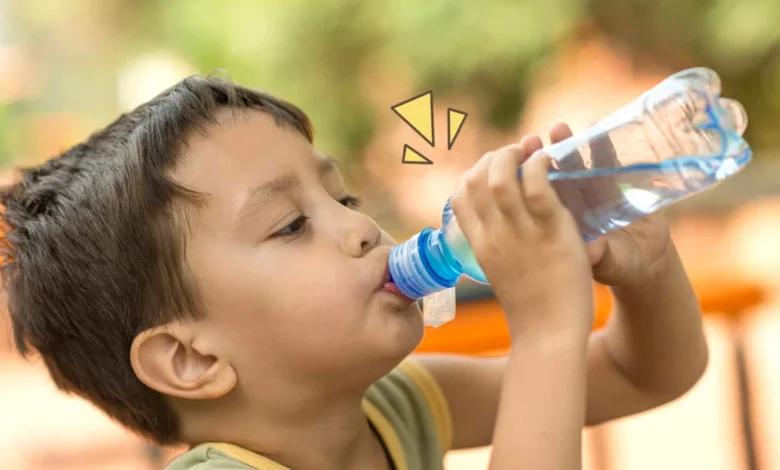
Maintaining proper hydration in children is a fundamental aspect of pediatric health that frequently goes overlooked amidst daily routines and dietary concerns. Water is a vital component of the human body, playing an irreplaceable role in regulating body temperature, lubricating joints, flushing out waste, and facilitating overall cellular function. Pediatricians and public health officials continuously emphasize that children are physiologically more vulnerable to fluid imbalances than adults due to their higher metabolic rates, greater surface-area-to-mass ratios, and active lifestyles that induce rapid perspiration.
Recent findings published in the American Journal of Public Health underscore the profound, far-reaching benefits of adequate water consumption among youth. Researchers have linked proper hydration to healthy body weight maintenance, a notable reduction in dental caries—as water frequently replaces sugary beverages—and enhanced cognitive performance, attention span, and memory retention in both children and adolescents. Conversely, failing to meet daily fluid requirements can lead to immediate physical fatigue, acute dehydration, impaired academic performance, and long-term metabolic strain. Consequently, parents and caregivers face the critical responsibility of actively monitoring and fulfilling the daily liquid intake required to support a child’s physical development and cognitive growth.
Physiological Vulnerabilities and the Mechanics of Dehydration in Youth

Children possess a unique physiological makeup that alters how their bodies manage fluids. Because a child’s body is composed of a higher percentage of water compared to an adult’s, any rapid loss of fluid constitutes a significantly larger fraction of their total body water content. Furthermore, children are notoriously active; whether engaged in schoolyard sports, physical education classes, or outdoor play, their bodies generate substantial internal heat. To cool down, the eccrine sweat glands produce perspiration, which evaporates from the skin. Without timely replenishment, this ongoing fluid loss quickly tips the delicate balance toward dehydration.
The progression of dehydration in pediatric populations can be swift and stealthy. Initial symptoms often include mild thirst, dry lips, and a slight decrease in playfulness or energy levels. As the deficit deepens, clinical indicators become more pronounced. According to medical literature referenced by the National Center for Biotechnology Information (NCBI), moderate to severe dehydration manifests through distinct physiological warning signs: extreme dry mouth, sunken eyes, dark yellow or amber-colored urine indicating high concentration, dizziness, and mild cognitive confusion. In more severe cases, children may experience oliguria—characterized by a significant reduction in urine output—and tachycardia, a condition where the heart rate accelerates abnormally as the cardiovascular system struggles to maintain blood pressure with a depleted blood volume.
Understanding the broader impact of chronic, low-grade dehydration reveals why proactive hydration management is paramount. Children operating under a state of mild dehydration often exhibit symptoms mistaken for behavioral issues or learning disabilities, such as lethargy, irritability, poor concentration, and reduced short-term memory capacity. By ensuring steady fluid intake throughout the day, parents can safeguard not only the physical health of their children but also their academic and social potential.
Age-Based Fluid Requirements and Individual Variability
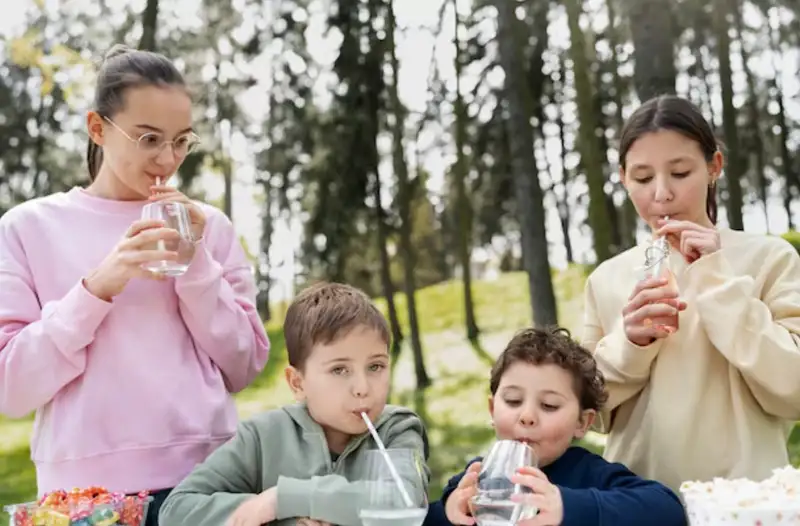
Determining the exact amount of water a child needs each day is not a one-size-fits-all equation. Fluid requirements vary dynamically depending on age, basal metabolic rate, environmental temperature, humidity, and the intensity of physical exertion. Medical authorities, including the Healthy Children initiative by the American Academy of Pediatrics, provide baseline frameworks to help caregivers navigate these requirements, noting that fluid needs scale upward as children grow from infancy through adolescence.
For toddlers aged 1 to 3 years, the focus transitions from breast milk or formula to incorporating regular sips of water alongside nutrient-dense meals, typically requiring around 4 cups (approximately 1 liter) of total beverages daily, including water and milk. As children enter preschool and early school age (4 to 8 years), their increasing physical stature and activity levels drive the recommended total daily beverage intake to approximately 5 cups (1.2 liters). For pre-adolescents and early teens aged 9 to 13 years, recommendations shift further: boys in this bracket generally require about 7 to 8 cups (1.5 to 1.8 liters) of total fluids daily, while girls require roughly 6 to 7 cups (1.4 to 1.6 liters).
However, pediatric experts emphasize that these baseline figures are subject to immediate adjustment. Environmental factors play a major role; hot summer days or dry indoor heating rapidly increase insensible fluid loss through the skin and respiratory tract. Similarly, physical activity requires active intervention. During sports practices or rigorous outdoor games, pediatric health guidelines recommend that children aged 9 to 12 years consume an additional 80 milliliters to 230 milliliters of water every 20 minutes of active play to offset sweat losses and maintain optimal thermoregulation.
Practical Strategies for Encouraging Daily Hydration
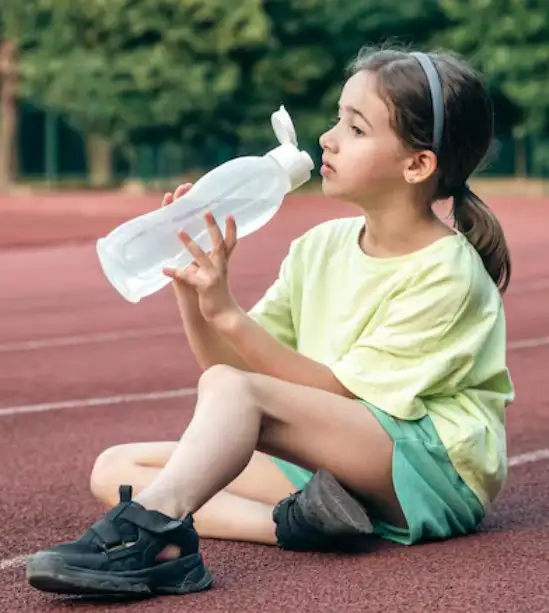
Despite the clear benefits of drinking water, convincing children to consume enough fluids can present a daily challenge. Many children naturally prefer sweet, flavored beverages over plain water, viewing hydration as a chore rather than a biological necessity. To bridge this gap, pediatric nutritionists and experienced parents recommend integrating creative, engaging strategies that transform drinking water into an appealing habit.
-
Gamifying Hydration with Attractive Drinkware
Children are highly visual and tactile. Introducing personalized water bottles featuring vibrant colors, appealing textures, or their favorite cartoon characters can significantly boost their willingness to drink. When a child feels a sense of ownership over their cup or bottle, they are far more likely to interact with it voluntarily throughout the day, eliminating the need for constant reminders from parents. -
Enhancing Flavor Naturally with Infused Water
For children who resist plain water due to its lack of flavor, incorporating natural, healthy taste enhancers offers an ideal compromise. Parents can prepare infused water by adding slices of fresh citrus fruits like lemons, limes, and oranges, or aromatic options such as strawberries, cucumbers, and mint leaves. Letting the water sit for a brief period allows the natural botanical and fruit essences to imbue the liquid with a subtle, refreshing sweetness without the addition of refined sugars. This approach provides an enticing visual appeal and a pleasant taste profile that encourages children to drink more willingly. -
Utilizing Specialized Pediatric Refreshment Solutions
In markets where climate conditions are predominantly tropical, children are frequently exposed to high ambient temperatures that accelerate fluid loss and may trigger traditional ailments such as heatiness, dry throats, and mild mouth ulcers. To address these specific regional needs, specialized pediatric soothing drinks—such as Cap Kaki Tiga Anak—have been developed as a supportive first step for parents aiming to bolster daily hydration. Formulated specifically for children, these functional beverages incorporate safe, traditional mineral components like Gypsum Fibrosum and Calcitum, which are designed to help refresh the body during hot weather or post-activity recovery. Furthermore, these products often feature child-friendly flavor profiles, such as strawberry, orange, and lychee, making them an accessible option for maintaining fluid intake while concurrently soothing minor symptoms of internal heat and throat irritation. Available widely through standard retail channels and pharmacies, such regulated products offer a convenient adjunct to plain water when properly selected under health guidelines.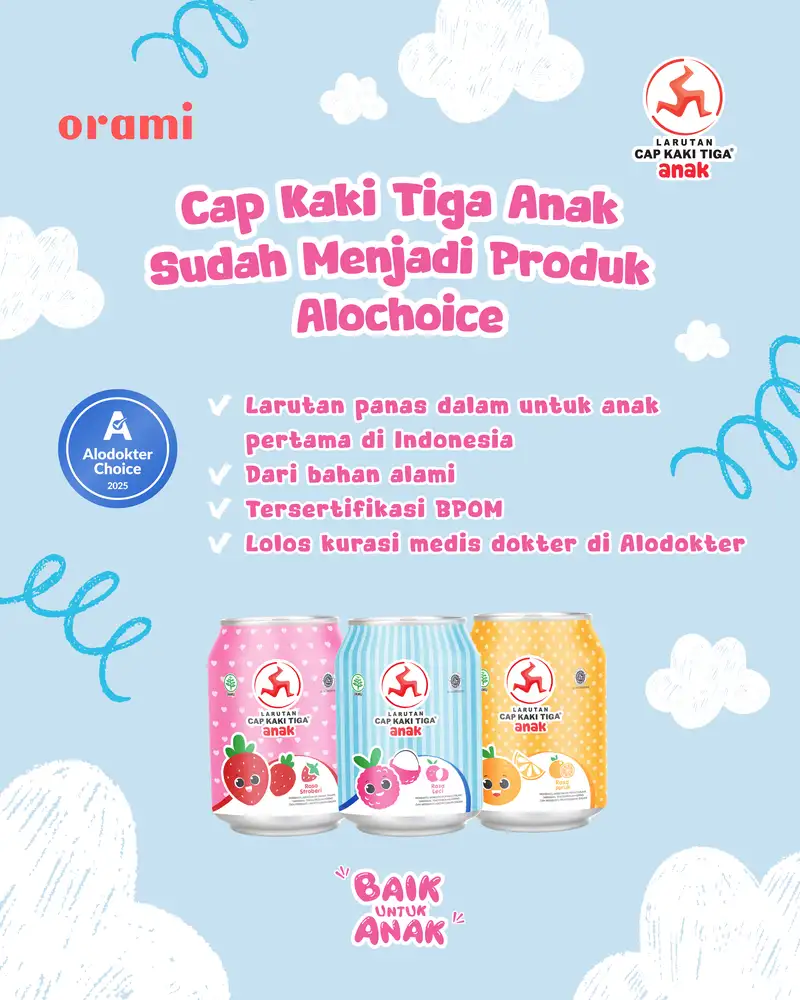
-
Cultivating the Portable Bottle Habit
Establishing routines is key to long-term behavioral change. Parents should cultivate the habit of packing a lightweight, safe, and durable water bottle whenever a child leaves the house—whether heading to school, attending extracurricular practices, or embarking on family weekend trips. Having a portable water source readily accessible ensures that children can sip water proactively whenever they feel thirsty, preventing the onset of acute dehydration before it manifests physically. -
Incorporating Hydration-Rich Foods
Hydration does not exclusively occur through drinking liquids; solid foods contribute a substantial portion of daily fluid intake. Parents can strategically incorporate water-dense fruits and vegetables into meals and snacks. Produce items such as watermelons, cantaloupes, cucumbers, strawberries, oranges, and grapes boast water contents exceeding 80 to 90 percent. Serving these chilled treats as afternoon snacks provides a dual benefit: children receive vital micronutrients, dietary fiber, and a substantial boost in cellular hydration without feeling forced to drink continuous glasses of water. -
Educating Children on the Science of Hydration
Long-term adherence to healthy habits relies on comprehension rather than mere compliance. Parents can foster a genuine appreciation for water by educating children about how their bodies work. Utilizing age-appropriate storybooks, animated educational videos, or interactive discussions, parents can explain how water acts as "fuel" for their muscles, brain, and immune system. Connecting hydration directly to the child’s personal aspirations—such as running faster in a soccer match, maintaining focus during art class, or feeling energized during playtime—empowers them to take personal ownership of their health.
Broader Implications for Public Health and Family Wellness

The collective responsibility of maintaining pediatric hydration extends beyond individual households, touching upon broader public health initiatives in schools, community centers, and athletic leagues. Public health advocates continually urge educational institutions to install accessible, clean drinking fountains and permit students to keep water bottles at their desks, directly linking easy access to improved academic engagement and reduced absenteeism caused by heat-related illnesses.
As climate patterns shift and global temperatures rise, the incidence of heat stress among vulnerable populations, including young children, remains a persistent concern for pediatricians worldwide. Policymakers and health organizations stress that early intervention and education are the most effective defenses against the adverse effects of dehydration. By bridging nutritional science with practical, everyday parenting techniques, families can establish robust wellness foundations that endure into adolescence and adulthood.
Ultimately, keeping children adequately hydrated is an investment in their immediate vitality and long-term developmental trajectory. Through vigilant monitoring of age-appropriate fluid intake, creative adaptation of dietary habits, and the thoughtful integration of supportive hydration tools, parents can ensure that their children remain active, focused, and resilient against the physical demands of a growing life.
Related posts: